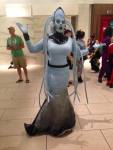
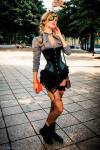
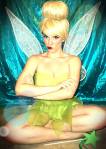
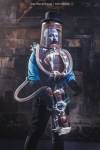
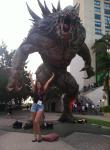
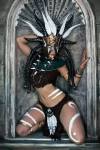
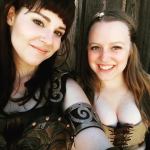
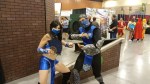
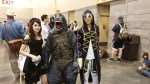
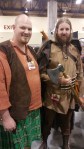
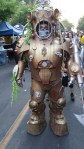
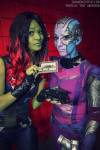
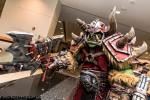
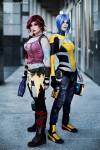
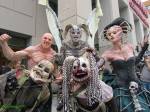
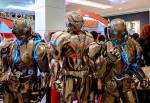
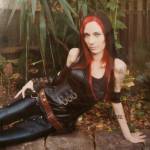
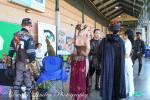
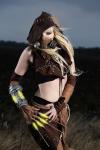
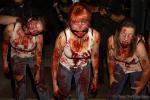
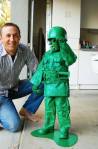
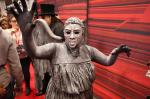
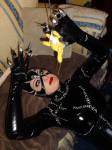
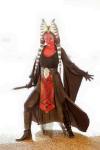
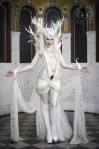
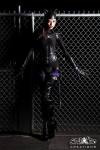
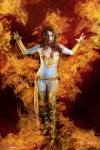
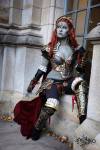
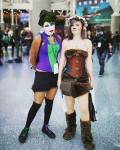
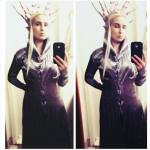
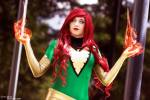
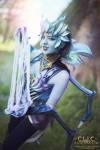
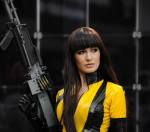
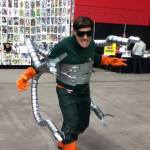
I apologize for the delay. I had issues getting pictures from my phone to my computer. In any case, here are pictures taken primarily at my booth at Phoenix Comicon 2016. Thanks for all who stopped by and said hello!
Using the CRISPR gene-editing tool, scientists from Harvard University have developed a technique that permanently records data into living cells. Incredibly, the information imprinted onto these microorganisms can be passed down to the next generation.
CRISPR/Cas9 is turning into an incredibly versatile tool. The cheap and easy-to-use molecular editing system that burst onto the biotech scene only a few years ago is being used for a host of applications, includinggenetic engineering, RNA editing, disease modeling, and fighting retroviruses like HIV. And now, as described in a new Science paper, it can also be used to turn lowly microorganisms into veritable hard drives.
Scientists have actually done this before, but in a completely artificial way from start to finish. In these prior experiments, information was encoded into a DNA sequence, the DNA synthesized, and then that was it—all the information remained outside the realm of living organisms. In the new study, a Harvard research team led by geneticists Seth Shipman and Jeff Nivala went about DNA data storage in a completely different way.
“We write the information directly into the genome,” Nivala told Gizmodo. “While the overall amount of DNA data we have currently stored within a genome is relatively small compared to the completely synthetic DNA data storage systems, we think genome-based information storage has many potential advantages.” These advantages, he says, could include higher fidelity and the capability to directly interface with biology. For example, a bacterium could be taught to recognize, provide information, and even kill other microorganisms in its midst, or provide a record of genetic expression.
“Depending on how you calculate it, we stored between about 30 to 100 bytes of information,” said Nivala. “Which is quite high compared to the previous record set within a living cell, which was ~11 bits.”
To do it, the researchers used the bacteria’s built-in immune system—in the form of CRISPR—to write data directly onto the genome of the bacterial cells. This allowed the modified bacteria to pass on this customized information to the next generation, making this form of biological data storage extremely efficient and powerful.
Shipman and Nivala leveraged the power of bacteria’s built-in immune system, a.k.a. CRISPR, to make this possible. Whenever a virus attacks a bacterium, CRISPR diligently records the event in the DNA, which it can then reference in the event of a renewed viral attack. It does this by storing tiny sequences of the viral DNA itself, called spacers. In their experiment, the researchers wanted to see if these spacers could be added in a particular sequence, which would create a timeline of when these spacers were added.
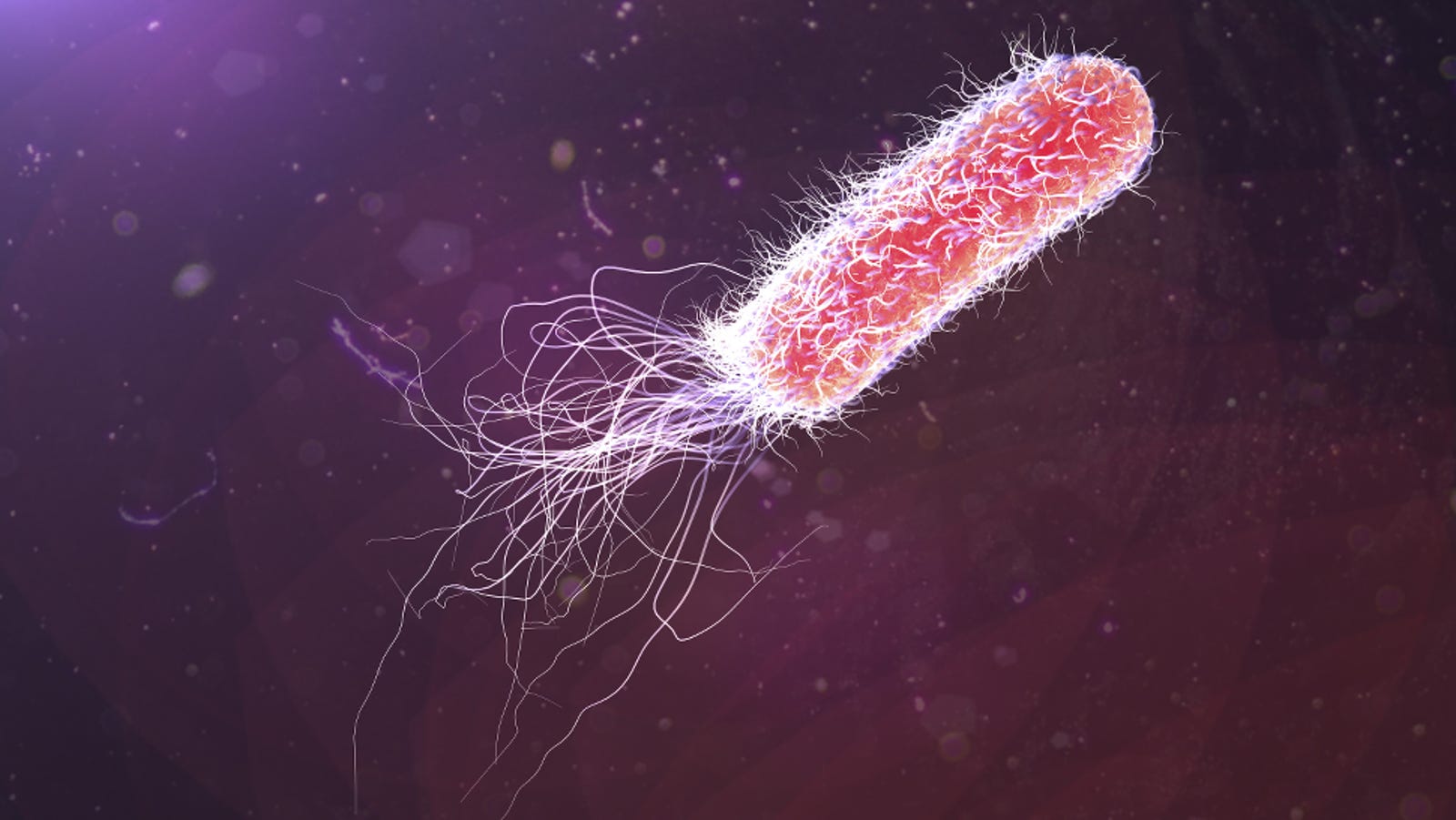
The researchers figured that this temporal ordering of spacers could form the basis of a molecular recording device. During the experiment, loose segments of DNA were injected into a strain of E. coli bacteria equipped with CRISPR/cas9. But these bits of DNA weren’t arbitrary—they contained specific strings of data that contained specific sequences of letters chosen by the scientists. These segments were introduced one at a time, and the bacteria systematically integrated them in a linearly coherent manner to reflect the order in which they were introduced.
The researchers only added a few spacers to demonstrate their theory. But given that other spacers are available, there’s an absolutely staggering number of possible combinations.
“These experiments lay the foundations for a recording system that could be used to monitor molecular events that occur over long time periods,” said Nivala. “For instance, it could eventually help us answer questions like what happens to the gene regulation inside a cell as it goes from a healthy to disease state. Or it could also be used to record information on the cell’s outside environment, for example the presence of specific chemicals, toxins, or pathogens.”
Moving forward, the team would like boost the system so that data can be stored more completely at the level of single cells, instead of having to use a population of cells to encode/decode the information.
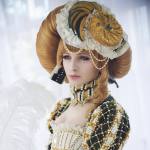
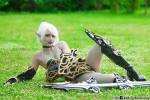
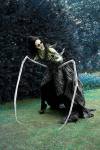
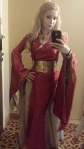
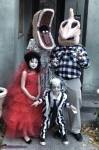
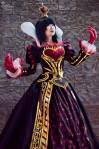
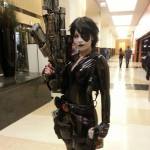
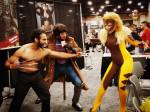
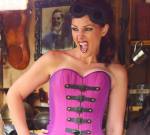
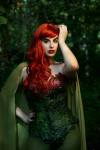
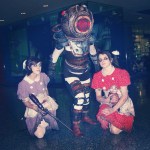
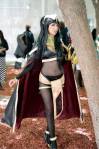
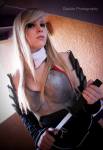
Cosplayers and cosplay for you to enjoy! I’ll be seeing lots of you at Phoenix Comicon 2016 this week. Come by Thursday through Sunday at booth AA330 and say hello, get your picture up on my blog, and feel free to buy one of my six books while you are there…
I’m sorry for the week without blog posts. I was at one of my other jobs, coming down the elevator from my office on the 24th Floor to the Lobby. The elevator did not stop as it should. If you have ever stepped off a curb unexpectedly, this felt like stepping off a 5 foot ledge.
So, my neck, back and leg hurts pretty bad but is getting better. Getting imaged for fractures in the spine. The building security had to pry the doors open. Now, I’m not really looking forward to using the elevator again…
Phoenix Comicon is June 2-5 and I will be appearing at table AA330. Please stop by and say hello. Cosplayers Aria and Cassandra S. Kyle will also be stopping by to join me.
When she first visited the photography studio of Mayer & Pierson in 1856, Virginia Oldoini had already become notorious in Paris society. Married at 17 to Italian Count Francesco Verasis di Castiglione, she had been dispatched to Paris to convince Napoleon III to support Italian unification — instead, she promptly became his mistress.
Their dalliance was brief but helped establish her reputation as a beautiful and enigmatic seductress.
She was enthralled with the study of her own beauty, and collaborated with photographer Pierre-Louis Pierson on over 400 self-portraits.
While Pierson operated the camera, the pose, dress, setting and angle were all conceived by the countess. She was also involved in post-production, directing the printing of the pictures and often painting on top of them herself.
The countess posed in the elaborate and luxurious gowns that she wore at court, reenacting her moments of greatest triumph. She soon expanded her oeuvre to include scenes and costumes inspired by theatre, literature and myth, and even rather voyeuristic shots of her bare feet.
As she grew older, she retreated from high society and became an eccentric recluse, living in an apartment with the curtains drawn, only venturing outside at night. She died in 1899 at the age of 62, but her extensive and distinctive record of herself endures.
c. 1865
IMAGE: CHRISTIAN KEMPF / ADOC-PHOTOS/CORBIS
c. 1865
The Countess with a child, possibly her son Georges.

































































































































































































































































































 Michael Bradley - Time Traveler