Category Archives: Writing

Christmas Present

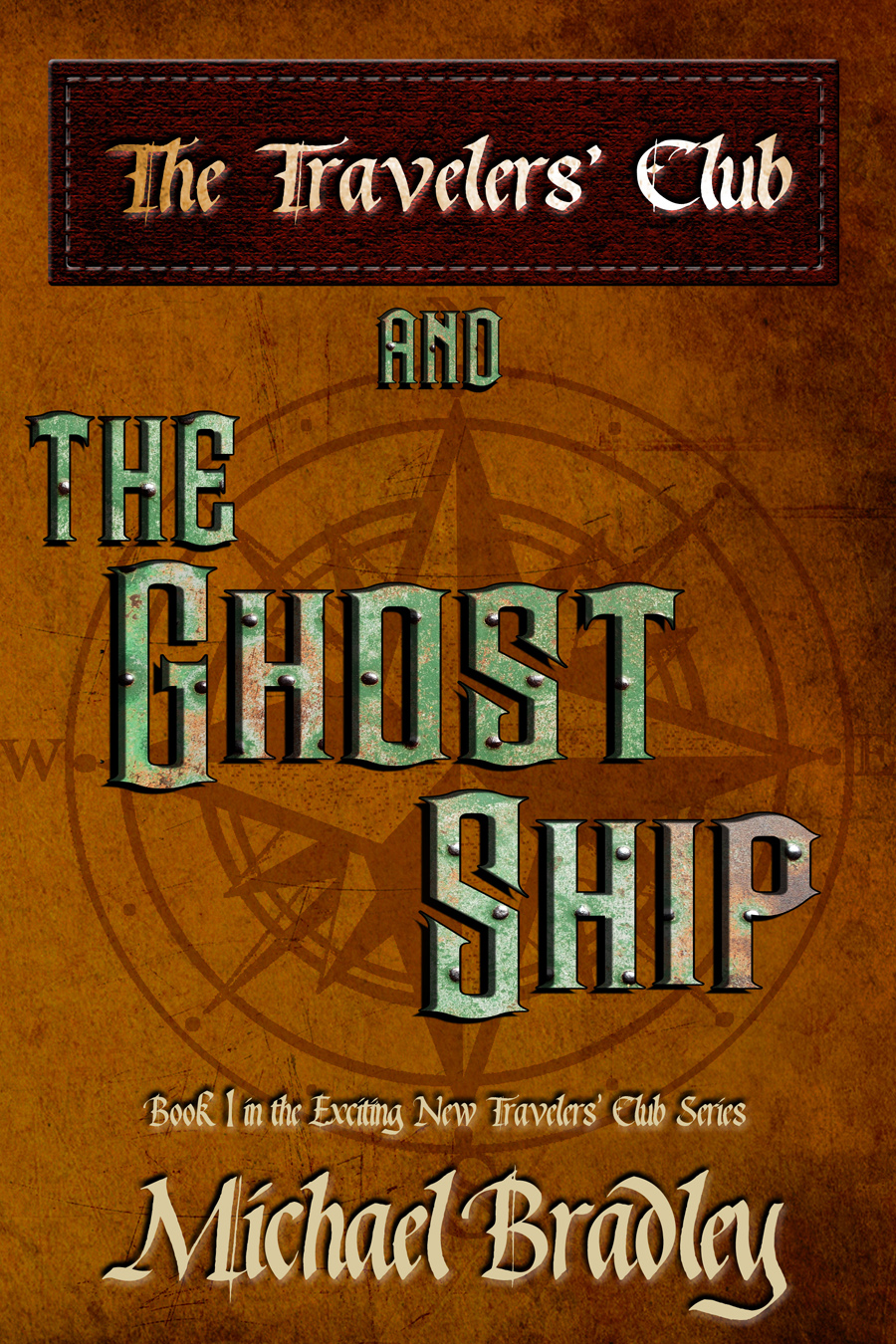
With Christmas coming up, there is just one thing that would make my holiday shine!  That is if some of you who enjoy this blog site and the work I put into it could support my other work – writing novels.  All I ask is you consider spending 99 cents on my first novel – The Travelers’ Club and The Ghost Ship, then let me know what you think.  99 cents for ten hours of reading enjoyment.  It is available on Kindle and Smashwords.  Most people don’t know you can download the Kindle app for free to any I-pad, I-phone, droid, computer or laptop with the internet.  You do NOT need a Kindle device.  You can purchase items easily through your Amazon account.

Thanks for considering my Christmas list!  I promise not to bother you too much with requests for sales or ads on this site.  Here is a link:

Averaging 4.5 stars in reviews!

ghost ship final kindle

2 Comments

Filed under Uncategorized, Writing

Write Your Name In Elvish for The Hobbit Opening!

Write Your Name in Elvish in Ten Minutes

You want to write your name in Elvish, but every place you go seems to make it harder than it ought to be. Elvish writing looks beautiful and mysterious, but does it really have to be impossible to understand? Why doesn’t somebody just spell out the alphabet so you can simply substitute the letters and get straight to the result? That’s exactly what I’ve done here. Learn to write your name in Elvish in ten minutes. It’s not very hard.

Here’s the alphabet.

That’s it. (If you want details about where this all comes from, look at the bottom of this page.) You only need to know a few more things and you’re ready to go. The most important thing is that vowels go above (or below) the consonants. That’s what the gray arrows signify in the alphabet shown above. You can put the vowels above the letter they follow (Quenya style) or above the letter they precede (Sindarin style). Take your pick. I do the Quenya style. Look at this example.

1. Write the name: ROBERT.2. Shift the vowels up and to the left, so they are above the letters they follow.

3. Substitute the letters using the alphabet provided above. Notice there are two forms for the letter R. One is for the R sound as in RED. The other is for the R sound as in CAR. The name ROBERT starts with the R-as-in-RED sound and near its end it has the R-as-in-CAR sound.

4. Here’s the text notation. I find it useful to use a plain text representation of the characters when I’m explaining things via email. The underscores at the beginning and end show where the baseline is.

   O E
 _ R B R T _

5. All the examples on this page are use the Quenya style, but here’s the text notation for Sindarin (not shown in calligraphy) so you can see how the vowel positions shift to the right.

     O E
 _ R B R T _

Generally the vowels go above the consonants, but sometimes, in the case of Y and silent E, they go below. Here’s another example. This one includes a special symbol, a straight line underneath the consonant, that indicates a doubled consonant. Use this “doubling symbol” with any consonant.

1. Write the name: LYNNE.2. Shift the vowels down and to the left, so they are below the letters they follow.

3. Make letter combinations. Doubled consonants can be combined into one space.

4. Substitute the letters using the alphabet provided above. Use the bar underneath the N to signify it is doubled.

5. Here’s the text notation. Most of the action occurs below the baseline. I’m using square brackets to indicate letter combinations that result in a single letterform.

 _ L [NN] _
   Y  E

The straight line underneath is just one way to make one character do the work of two. There are a number of Elvish letters that stand for two letters of our alphabet. Think of this as a supplementary alphabet.

The line above a consonant means that a nasal N or M precedes the consonant in question. In the next example, we use the nasal modifier and we see what to do with vowels when there’s no consonant in the right place to put it above.

1. Write the name: ANDY.2. Shift the vowels. The Y goes down and to the left. Since the letter A has no consonant to slide above, it goes on a carrier, which is just a straight line that fills in for the job a consonant would normally do. Note that the carrier is just a graphical convention and has no bearing on pronunciation.

3. Make letter combinations using the supplementary letters: N + D = ND.

4. Substitute the letters. The vowel placeholder is a short straight line. The nasal N preceding D is denoted by a straight line above the D.

5. Here’s the text notation. I’m using the colon symbol : for the vowel carrier symbol.

   A
 _ : [ND] _
      Y

Here’s one last example with two different letter combinations.

1. Write the name: SHELDON.2. Shift the vowels.

3. Make letter combinations using the supplementary letters: S + H = SH. L + D = LD.

4. Substitute the letters.

5. Here’s the text notation.

     E    0
 _ [SH] [LD] N _

I am often asked how to handle double vowel situations. Remember to use the carrier as shown above in the ANDY example. Here are some examples that illustrate some of the situations that come up.

Name: ADRIAN
Text notation:

   A   I A
 _ : D R : N _
Name: EILEEN
Text notation:

   E I [EE]
 _ : :  L  N _

Comment: This is a dramatic example of doubled up vowels. The name starts with two vowels, leaving us no choice but to use two carriers in a row. We use a little artistic freedom with the double E at the end, since they fit nicely over the L. It would have been, however, perfectly reasonable to spell it like this.
Text notation:

   E I E E
 _ : : L : N _
Name: DIETRICH
Text notation:

   I E   I
 _ D : T R [CH] _
Name: AMELIE
Text notation:

   A E I
 _ : M L _
       E

Comment: Here again we’re using a little expressive freedom for compactness. The silent E at the end is placed under the L and assumed to follow the voiced I above the L. You can always spell it like this if you want to be absolutely clear.
Text notation:

   A E I E
 _ : M L : _

That’s all you need to get started. If you take a real interest in Elvish and want to learn more, there’s a lot of good information out there for you.

Please be aware that there are many ways to write English words in Elvish. This is just the one that I use. I have tried to keep it very simple here. There are dozens of sites that can lead you through the nitty-gritty details. The best one I have come across yet is Tolkien Script Publishing. You can learn about all details that I glossed over here.

Good luck!

Ned Gulley

Leave a comment

Filed under Humor and Observations, Uncategorized, Writing

Still More Strange Book Covers

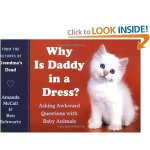
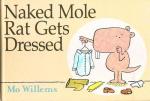
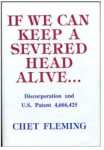
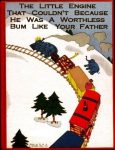
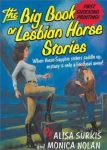
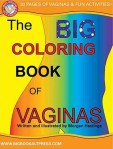
This is the third installment of strange book covers.  You can search for the others by going to my home page and typing “book covers” into the search button.  I try to confirm that each of these is a real book, but some photoshops might get through.  Enjoy!  (Click a picture to enlarge)

2 Comments

Filed under Humor and Observations, Uncategorized, Writing

Horror Anthology Submissions Requested

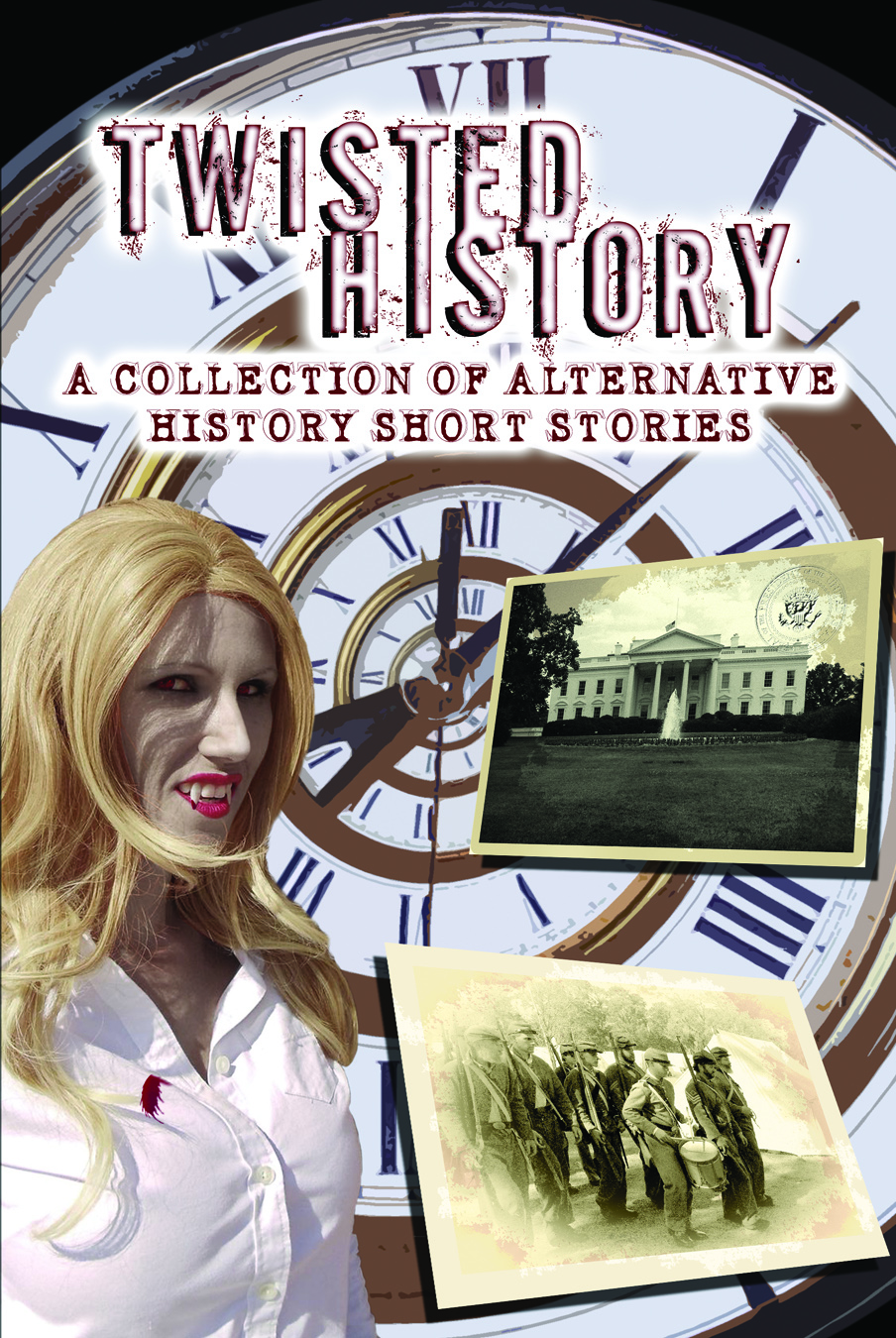
For all of you writers or aspiring writers, each year I help publish an anthology on one subject.  Last year, we published Twisted History, and all the stories were alternative history.  It was “twisted” because we had comedy writers, fiction, non-fiction and other genre writers all writing alternative history.  This year, the topic is horror, and the working title is Twisted Nightmares.  We accept any form of writing, poems, flash fiction, or short stories up to 5,000 words.  Your submissions are judged anonymously by a panel of writers and editors.  Selected submissions will then be professionally edited and returned to you for changes.  The deadline for submissions is January 31, 2013.  Expected publication date is March 1, 2013.  Here is a flyer which has more detail, and also has our cover, supplied to us by the original photographer for use.  (more on them later :-))

Twisted Nightmares!

Horror Anthology

 Submissions Needed, 5,000 words or less, only horror themes.  WORD format preferred, only electronic submissions accepted.

Publishing by Michael Bradley, President, Eiverness Consulting Group, Ltd., An Arizona Corporation in Good Standing

Blademouth

Submissions required by January 31, 2013.  Expected publication prior to May 2013 and published in Kindle format.

Please send inquiries and submissions to:

eiverness@cox.net

For the subject put:  Anthology Submission

This publication is designed to be an additional opportunity to highlight the talents of aspiring writers.  Those chosen for publication will receive two free copies of the printed version and will be able to buy printed copies at cost for their own use or sale.  All other profits and expenses, including electronic sales will be retained by the publisher.

Original Makeup and Character by: Kiera Von D – Blademouth (see more of Kiera’s work here:www.facebook.com/nytroxsfx)
Shared by: Jona Than

To see how pretty Blademouth is in real life and learn more:

http://www.examiner.com/slideshow/seattle-s-sweetheart-blade-mouth-aka-kiera-von-d-an-aspiring-special-effects-make-up-artist


Leave a comment

Filed under Writing

Cyber Monday SPECIALS!!

THREE CYBER MONDAY SPECIALS!!

1) For a limited time, you can purchase The Travelers’ Club and the Ghost Ship for just 99 cents, which is a 93% discount off the bookstore price on Kindle, Smashwords, and other online ebook vendors:


2)  You can purchase Twisted History for just 99 cents, which is an 87% discount from retail bookstore prices on Kindle, Smashwords, and other ebook vendors:


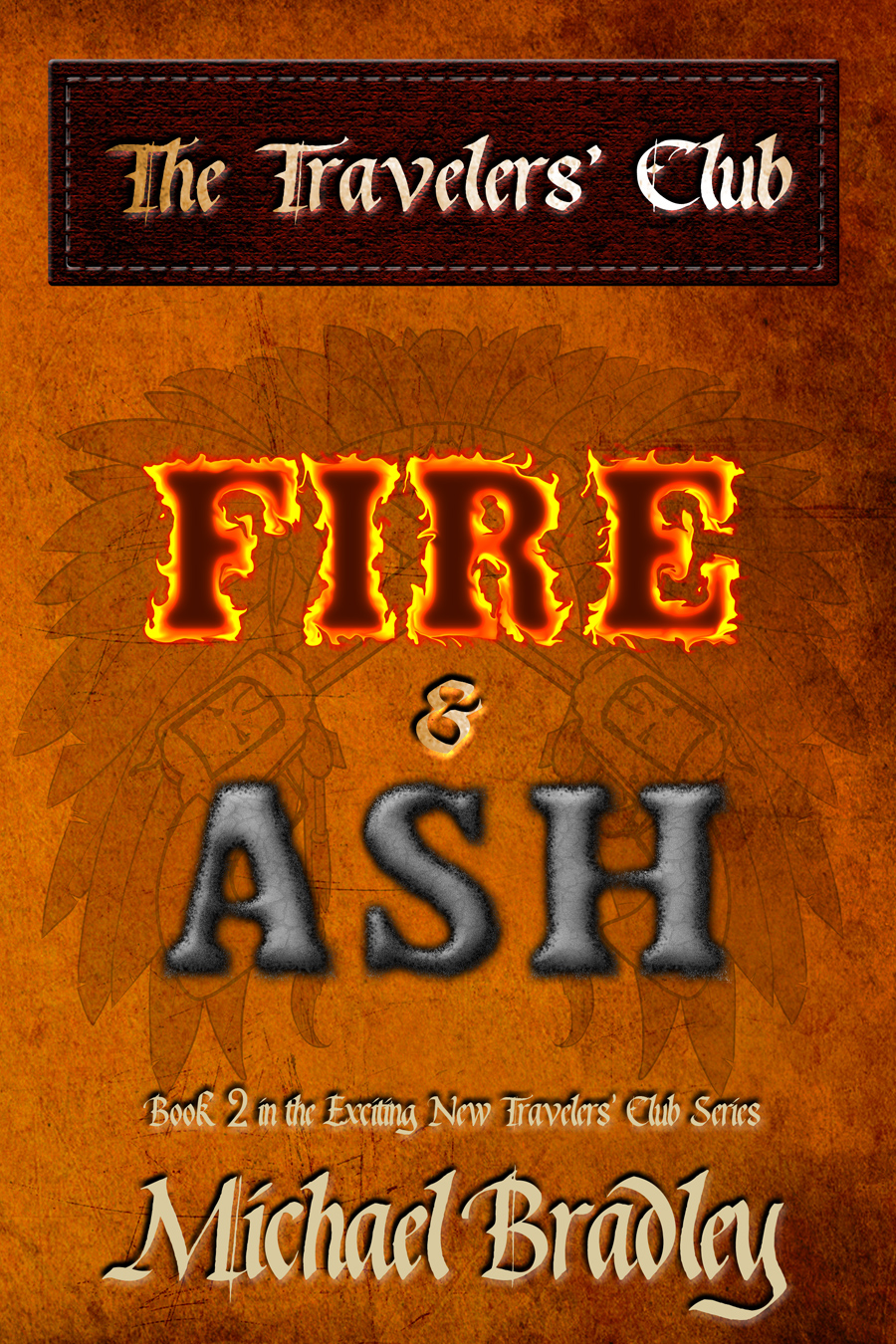
3)  You can get the Brand New – The Travelers’ Club – Fire and Ash (2nd in the Series) for just $4.99 cents, which is a 66% discount off the bookstore price on Kindle, Smashwords, and other online ebook vendors:


EVEN BETTER – IF YOU LIKE OR SHARE THIS POST – YOU WILL AUTOMATICALLY ENTER A CONTEST TO HAVE A CHANCE TO WIN A FREE SIGNED COPY OF THE PRINT VERSION, MAILED DIRECTLY TO YOU AT NO COST!!

Thank you all for your ongoing support!

Michael Bradley

Author

1 Comment

Filed under Writing

100 Exquisite Adjectives

I saw this on Daily Writing Tips and thought you all might appreciate it.  It misses a couple of my favorites:

Obsequious – servile – subservient – slavish – menial – fawning

Volatile – 1. evaporating rapidly; passing off readily in the form of vapor:Acetone is a volatile solvent.  2. tending or threatening to break out into open violence;explosive: a volatile political situation.  3. changeable; mercurial; flighty: a volatile disposition.  4. (of prices, values, etc.) tending to fluctuate sharply andregularly: volatile market conditions.  5. fleeting; transient: volatile beauty.

Capricious – subject to, led by, or indicative of caprice  or whim; erratic

Mercurial – changeable; volatile; fickle; flighty; erratic

Beneficent – doing good or causing good to be done; conferring benefits;  kindly inaction or purpose.

I suggest as a writer, use these sparingly, as some of our reading population has grown lax on their vocabulary due to watching more TV than reading literature.

100 Exquisite Adjectives

by Mark Nichol
Adjectives — descriptive words that modify nouns — often come under fire for their cluttering quality, but often it’s quality, not quantity, that is the issue. Plenty of tired adjectives are available to spoil a good sentence, but when you find just the right word for the job, enrichment ensues. Practice precision when you select words. Here’s a list of adjectives:

Adamant: unyielding; a very hard substance
Adroit: clever, resourceful
Amatory: sexual
Animistic: quality of recurrence or reversion to earlier form
Antic: clownish, frolicsome
Arcadian: serene
Baleful: deadly, foreboding
Bellicose: quarrelsome (its synonym belligerent can also be a noun)
Bilious: unpleasant, peevish
Boorish: crude, insensitive
Calamitous: disastrous
Caustic: corrosive, sarcastic; a corrosive substance
Cerulean: sky blue
Comely: attractive
Concomitant: accompanying
Contumacious: rebellious
Corpulent: obese
Crapulous: immoderate in appetite
Defamatory: maliciously misrepresenting
Didactic: conveying information or moral instruction
Dilatory: causing delay, tardy
Dowdy: shabby, old-fashioned; an unkempt woman
Efficacious: producing a desired effect
Effulgent: brilliantly radiant
Egregious: conspicuous, flagrant
Endemic: prevalent, native, peculiar to an area
Equanimous: even, balanced
Execrable: wretched, detestable
Fastidious: meticulous, overly delicate
Feckless: weak, irresponsible
Fecund: prolific, inventive
Friable: brittle
Fulsome: abundant, overdone, effusive
Garrulous: wordy, talkative
Guileless: naive
Gustatory: having to do with taste or eating
Heuristic: learning through trial-and-error or problem solving
Histrionic: affected, theatrical
Hubristic: proud, excessively self-confident
Incendiary: inflammatory, spontaneously combustible, hot
Insidious: subtle, seductive, treacherous
Insolent: impudent, contemptuous
Intransigent: uncompromising
Inveterate: habitual, persistent
Invidious: resentful, envious, obnoxious
Irksome: annoying
Jejune: dull, puerile
Jocular: jesting, playful
Judicious: discreet
Lachrymose: tearful
Limpid: simple, transparent, serene
Loquacious: talkative
Luminous: clear, shining
Mannered: artificial, stilted
Mendacious: deceptive
Meretricious: whorish, superficially appealing, pretentious
Minatory: menacing
Mordant: biting, incisive, pungent
Munificent: lavish, generous
Nefarious: wicked
Noxious: harmful, corrupting
Obtuse: blunt, stupid
Parsimonious: frugal, restrained
Pendulous: suspended, indecisive
Pernicious: injurious, deadly
Pervasive: widespread
Petulant: rude, ill humored
Platitudinous: resembling or full of dull or banal comments
Precipitate: steep, speedy
Propitious: auspicious, advantageous, benevolent
Puckish: impish
Querulous: cranky, whining
Quiescent: inactive, untroublesome
Rebarbative: irritating, repellent
Recalcitant: resistant, obstinate
Redolent: aromatic, evocative
Rhadamanthine: harshly strict
Risible: laughable
Ruminative: contemplative
Sagacious: wise, discerning
Salubrious: healthful
Sartorial: relating to attire, especially tailored fashions
Sclerotic: hardening
Serpentine: snake-like, winding, tempting or wily
Spasmodic: having to do with or resembling a spasm, excitable, intermittent
Strident: harsh, discordant; obtrusively loud
Taciturn: closemouthed, reticent
Tenacious: persistent, cohesive,
Tremulous: nervous, trembling, timid, sensitive
Trenchant: sharp, penetrating, distinct
Turbulent: restless, tempestuous
Turgid: swollen, pompous
Ubiquitous: pervasive, widespread
Uxorious: inordinately affectionate or compliant with a wife
Verdant: green, unripe
Voluble: glib, given to speaking
Voracious: ravenous, insatiable
Wheedling: flattering
Withering: devastating
Zealous: eager, devoted


Leave a comment

Filed under Writing

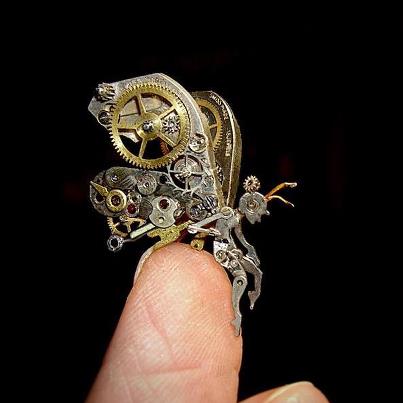
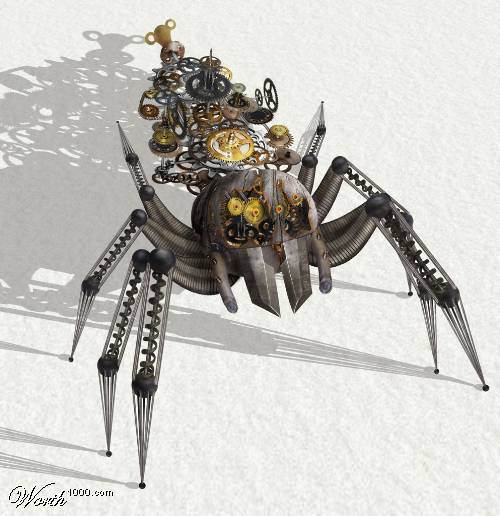
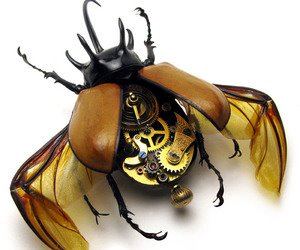
Steampunk/Clockwork Bugs! (Part One)

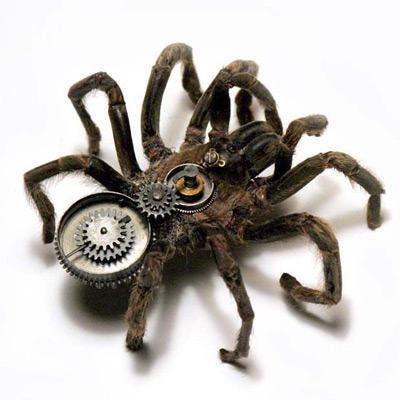
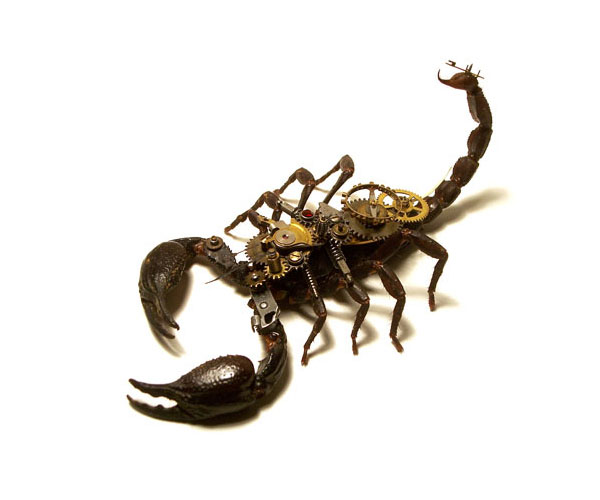
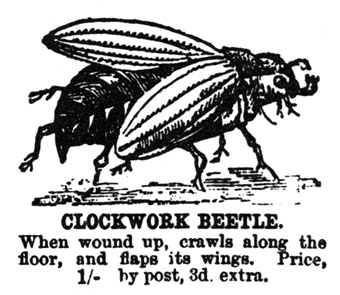
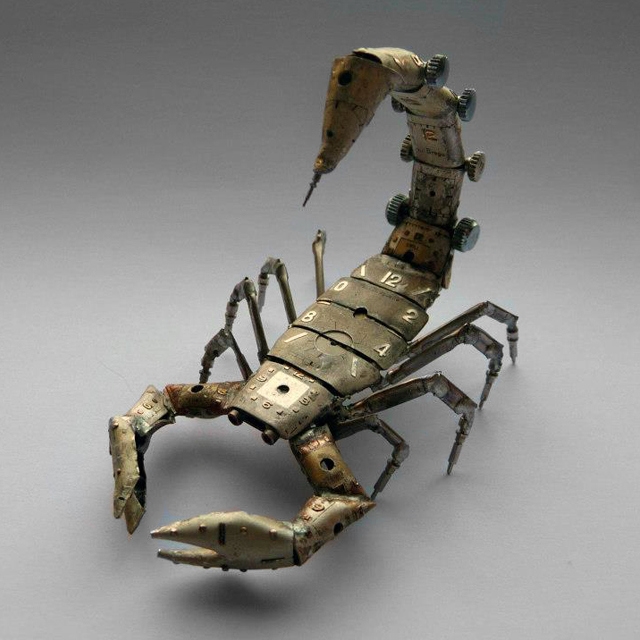
These are all Steampunk/Clockpunk/Clockwork Bugs.  I have too many for one post, so maybe next week I will post part two.  Until then, please enjoy these wonderfully crafted items from people at various places with much more talent than I have.  I must also put in a small plug, that clockwork bugs, much larger and deadlier than these, play an important role in The Travelers’ Club – Fire and Ash, on sale now on Kindle, Smashwords, local bookstores, and on this site, under STORE tab.  I hear the author is very creative…  🙂


2 Comments

Filed under Animals, Humor and Observations, Uncategorized, Writing

Dark Matter

This is republished from my Science Column in ConNotations Newszine, where I am a staff writer.  I also write book and movie reviews and other non-fiction for the magazine.  My science column is directed at convention fanboys and fangirls that were not self-punishing enough to get three science degrees like myself, but want to be able to understand complicated topics, like dark matter, string theory, teleportation, where the universe came from, astro-physics, the God Particle, and other issues.  My attempt with each short column is to explain a concept in layman’s terms.  This is on Dark Matter.  The photos were added for this web edition.

Is Space Empty or Full? 

by Michael Bradley

 Most have heard the term “dark matter” but what does it mean?  We look up at the night sky and we notice the stars, constellations, galaxies and heavenly bodies.  Unconsciously, we might also notice everything else – the black portion.  It is human nature to assume that the black portion represents nothingness, and emptiness broken up in its expanse only by those objects we can see.  For the known history of mankind, everyone would have accepted that as truth, until less than one hundred years ago.

As humans, we know and experience our reality through senses; smell, touch, sight, hearing, temperature, etc.  If we cannot sense something, it is often overlooked or missed by our minds.  In physics and astronomy the same is true.  We “see” the sky at night through two major lenses, one is the light emitted by heavenly bodies, and the second is the radiation and radio wave emissions from the sky.  We can observe the lights and the radiations and draw theories to understand them.

Based on the movement of the lights, we learned through observation that the planets rotate, that the Earth moves around the Sun, that we are in a galaxy called the Milky Way, that their are other galaxies, and many helpful facts.  The universe appears to be expanding, which also leads to the Big Bang Theory, calculations of time and so forth.

In the 1880s, Christian Doppler discovered the Doppler Effect, in which sound and light waves are compressed to different frequencies by the motion of mass.  For instance, a rushing locomotive sounds different as its mass moves toward and away from the listener.  This also creates the Blue/Red shift in light from celestial bodies.  As a galaxy spins, the section moving toward us turns bluer, while the section moving away turns redder on the light frequency spectrum.

Using the blue/red shift and physics, scientists were able to calculate the relative mass of galaxies and other objects which spin and cast off light.  Fritz Zwicky noticed in 1934 that the math did not add up, and came up with an explanation now known commonly as “dark matter.”  His theory is that either the majority of the mass of these objects does not give off light, or, the theory of gravitational pull is flawed in its calculations of mass.  To explain this missing mass, he theorized that there must be matter which neither reflects nor gives off light or radiation emissions measurable on Earth, but which has mass.  By only making calculations of spin based on visible matter, we are missing the dark matter.

If the dark matter theory is true, then 83% of the matter in the universe and 23% of the mass energy could be from dark matter.  It could be that our ability to perceive what space is composed of is much like a blind-folded man with ear muffs and a cold trying to describe his surroundings.  Or, consider a dark field and across from you are 1,000 people holding flashlights, but only 230 have them on.  So you think there are only 230 people.

Could there actually be so much out there that we can not see through light or through radiation?

Theorists have explored the possibilities for the last eighty years and have mainly created more theories than answers.  Some say the gravitational theory is wrong and that instead of trying to “fix” the math by the creation of a theoretical dark matter you should start there.  Some have broken up dark matter into deeper theoretical categories, such as Machos and Wimps.  You can’t make this stuff up.

Machos are Massive Astrophysical Compact Halo Objects more commonly referred to as brown dwarfs and black holes, or referred to as baryonic, or more normal matter, that happens to be dark.  Wimps are Weakly Interacting Massive Particles which would be non-baryonic in nature.  Wimps are thought to pass through normal matter though they have mass, without interacting with it.  There are also theories of the dark matter in which they break them into mixed dark matter, cold dark matter, warm dark matter and hot dark matter.  Who says physicists don’t have a sense of humor?

In any case, the next time you look up at the night sky, just realize that mathematically, either all we know about gravity is wrong, or you are seeing only a tiny portion of what is there.  It is 2012, and we often think we have it all figured out, and yet in the very night sky above our heads we understand and perceive very little.


5 Comments

Filed under Humor and Observations, Writing

Writing Can Change Your Perception

So, as most of you know I usually write adventure, steampunk, science fiction, science fact and humor.  Recently, I have penned a few short stories to submit to our upcoming horror anthology.  (yes, my stories are tossed in the bin anonymously too, they have to get voted in).  Writing horror does not come naturally to me, so it has been a challenge for me to get into that dark place.  Now, I know I have been successful…
Case in point, picking up food at Costco today for visitors over the holiday.  I see a young man of around thirty, loading big boxes of Clorox Bleach onto a cart that has like twenty industrial sized rolls of Paper towels.  The only other thing in the cart is a few snacks.  My first thought – “That man is going to kill someone today, and is buying paper towels and bleach to clean up the crime scene!”  Seriously, that is what popped into my head in the Costco aisle today.

Last night and today I am working on my upcoming novel Blood Bank – a post-apocalyptic vampire novel.  I wonder if I will start noticing pale people or looking at necks for bite marks.

2 Comments

Filed under Humor and Observations, Writing

More Strange Book Covers

I think this is my third installment of strange book covers.  If you want to find the others, go to the my home page and search “book covers” or “book titles”.  Enjoy:

143 Comments

Filed under Humor and Observations, Writing