Tag Archives: writing

Alternative Words for Overused Ones

Thanks to Lara Eakins at larae.net for compiling this list.  They are good alternatives for simple, or often overused words.  Tired of using the same words?  Try these for some basic choices.  Not meant to replace your thesaurus, but those can be dangerous anyway if you don’t know the nuance or meaning of the word you choose.  This was collected by Lara Eakins from various teachers.

words

SYNONYMS FOR WORDS COMMONLY USED IN STUDENT’S WRITINGS

Amazing– incredible, unbelievable, improbable, fabulous, wonderful, fantastic, astonishing, astounding, extraordinary

Anger– enrage, infuriate, arouse, nettle, exasperate, inflame, madden

Angry– mad, furious, enraged, excited, wrathful, indignant, exasperated, aroused, inflamed

Answer– reply, respond, retort, acknowledge

Ask– question, inquire of, seek information from, put a question to, demand, request, expect, inquire, query, interrogate, examine, quiz

Awful– dreadful, terrible, abominable, bad, poor, unpleasant

Bad– evil, immoral, wicked, corrupt, sinful, depraved, rotten, contaminated, spoiled, tainted, harmful, injurious, unfavorable, defective, inferior, imperfect, substandard, faulty, improper, inappropriate, unsuitable, disagreeable, unpleasant, cross, nasty, unfriendly, irascible, horrible, atrocious, outrageous, scandalous, infamous, wrong, noxious, sinister, putrid, snide, deplorable, dismal, gross, heinous, nefarious, base, obnoxious, detestable, despicable, contemptible, foul, rank, ghastly, execrable

Beautiful – pretty, lovely, handsome, attractive, gorgeous, dazzling, splendid, magnificent, comely, fair, ravishing, graceful, elegant, fine, exquisite, aesthetic, pleasing, shapely, delicate, stunning, glorious, heavenly, resplendent, radiant, glowing, blooming, sparkling

Begin – start, open, launch, initiate, commence, inaugurate, originate

Big – enormous, huge, immense, gigantic, vast, colossal, gargantuan, large, sizable, grand, great, tall, substantial, mammoth, astronomical, ample, broad, expansive, spacious, stout, tremendous, titanic, mountainous

Brave – courageous, fearless, dauntless, intrepid, plucky, daring, heroic, valorous, audacious, bold, gallant, valiant, doughty, mettlesome

Break – fracture, rupture, shatter, smash, wreck, crash, demolish, atomize

Bright – shining, shiny, gleaming, brilliant, sparkling, shimmering, radiant, vivid, colorful, lustrous, luminous, incandescent, intelligent, knowing, quick-witted, smart, intellectual

Calm – quiet, peaceful, still, tranquil, mild, serene, smooth, composed, collected, unruffled, level-headed, unexcited, detached, aloof

Come – approach, advance, near, arrive, reach

Cool – chilly, cold, frosty, wintry, icy, frigid

Crooked – bent, twisted, curved, hooked, zigzag

Cry – shout, yell, yowl, scream, roar, bellow, weep, wail, sob, bawl

Cut – gash, slash, prick, nick, sever, slice, carve, cleave, slit, chop, crop, lop, reduce

Dangerous – perilous, hazardous, risky, uncertain, unsafe

Dark – shadowy, unlit, murky, gloomy, dim, dusky, shaded, sunless, black, dismal, sad

Decide – determine, settle, choose, resolve

Definite – certain, sure, positive, determined, clear, distinct, obvious

Delicious – savory, delectable, appetizing, luscious, scrumptious, palatable, delightful, enjoyable, toothsome, exquisite

Describe – portray, characterize, picture, narrate, relate, recount, represent, report, record

Destroy – ruin, demolish, raze, waste, kill, slay, end, extinguish

Difference – disagreement, inequity, contrast, dissimilarity, incompatibility

Do – execute, enact, carry out, finish, conclude, effect, accomplish, achieve, attain

Dull – boring, tiring,, tiresome, uninteresting, slow, dumb, stupid, unimaginative, lifeless, dead, insensible, tedious, wearisome, listless, expressionless, plain, monotonous, humdrum, dreary

Eager – keen, fervent, enthusiastic, involved, interested, alive to

End – stop, finish, terminate, conclude, close, halt, cessation, discontinuance

Enjoy – appreciate, delight in, be pleased, indulge in, luxuriate in, bask in, relish, devour, savor, like

Explain – elaborate, clarify, define, interpret, justify, account for

Fair – just, impartial, unbiased, objective, unprejudiced, honest

Fall – drop, descend, plunge, topple, tumble

False – fake, fraudulent, counterfeit, spurious, untrue, unfounded, erroneous, deceptive, groundless, fallacious

Famous – well-known, renowned, celebrated, famed, eminent, illustrious, distinguished, noted, notorious

Fast – quick, rapid, speedy, fleet, hasty, snappy, mercurial, swiftly, rapidly, quickly, snappily, speedily, lickety-split, posthaste, hastily, expeditiously, like a flash

Fat – stout, corpulent, fleshy, beefy, paunchy, plump, full, rotund, tubby, pudgy, chubby, chunky, burly, bulky, elephantine

Fear – fright, dread, terror, alarm, dismay, anxiety, scare, awe, horror, panic, apprehension

Fly – soar, hover, flit, wing, flee, waft, glide, coast, skim, sail, cruise

Funny – humorous, amusing, droll, comic, comical, laughable, silly

Get – acquire, obtain, secure, procure, gain, fetch, find, score, accumulate, win, earn, rep, catch, net, bag, derive, collect, gather, glean, pick up, accept, come by, regain, salvage

Go – recede, depart, fade, disappear, move, travel, proceed

Good – excellent, fine, superior, wonderful, marvelous, qualified, suited, suitable, apt, proper, capable, generous, kindly, friendly, gracious, obliging, pleasant, agreeable, pleasurable, satisfactory, well-behaved, obedient, honorable, reliable, trustworthy, safe, favorable, profitable, advantageous, righteous, expedient, helpful, valid, genuine, ample, salubrious, estimable, beneficial, splendid, great, noble, worthy, first-rate, top-notch, grand, sterling, superb, respectable, edifying

Great – noteworthy, worthy, distinguished, remarkable, grand, considerable, powerful, much, mighty

Gross – improper, rude, coarse, indecent, crude, vulgar, outrageous, extreme, grievous, shameful, uncouth, obscene, low

Happy – pleased, contented, satisfied, delighted, elated, joyful, cheerful, ecstatic, jubilant, gay, tickled, gratified, glad, blissful, overjoyed

Hate – despise, loathe, detest, abhor, disfavor, dislike, disapprove, abominate

Have – hold, possess, own, contain, acquire, gain, maintain, believe, bear, beget, occupy, absorb, fill, enjoy

Help – aid, assist, support, encourage, back, wait on, attend, serve, relieve, succor, benefit, befriend, abet

Hide – conceal, cover, mask, cloak, camouflage, screen, shroud, veil

Hurry – rush, run, speed, race, hasten, urge, accelerate, bustle

Hurt – damage, harm, injure, wound, distress, afflict, pain

Idea – thought, concept, conception, notion, understanding, opinion, plan, view, belief

Important – necessary, vital, critical, indispensable, valuable, essential, significant, primary, principal, considerable, famous, distinguished, notable, well-known

Interesting – fascinating, engaging, sharp, keen, bright, intelligent, animated, spirited, attractive, inviting, intriguing, provocative, though-provoking, challenging, inspiring, involving, moving, titillating, tantalizing, exciting, entertaining, piquant, lively, racy, spicy, engrossing, absorbing, consuming, gripping, arresting, enthralling, spellbinding, curious, captivating, enchanting, bewitching, appealing

Keep – hold, retain, withhold, preserve, maintain, sustain, support

Kill – slay, execute, assassinate, murder, destroy, cancel, abolish

Lazy – indolent, slothful, idle, inactive, sluggish

words2

Little – tiny, small, diminutive, shrimp, runt, miniature, puny, exiguous, dinky, cramped, limited, itsy-bitsy, microscopic, slight, petite, minute

Look – gaze, see, glance, watch, survey, study, seek, search for, peek, peep, glimpse, stare, contemplate, examine, gape, ogle, scrutinize, inspect, leer, behold, observe, view, witness, perceive, spy, sight, discover, notice, recognize, peer, eye, gawk, peruse, explore

Love – like, admire, esteem, fancy, care for, cherish, adore, treasure, worship, appreciate, savor

Make – create, originate, invent, beget, form, construct, design, fabricate, manufacture, produce, build, develop, do, effect, execute, compose, perform, accomplish, earn, gain, obtain, acquire, get

Mark – label, tag, price, ticket, impress, effect, trace, imprint, stamp, brand, sign, note, heed, notice, designate

Mischievous – prankish, playful, naughty, roguish, waggish, impish, sportive

Move – plod, go, creep, crawl, inch, poke, drag, toddle, shuffle, trot, dawdle, walk, traipse, mosey, jog, plug, trudge, slump, lumber, trail, lag, run, sprint, trip, bound, hotfoot, high-tail, streak, stride, tear, breeze, whisk, rush, dash, dart, bolt, fling, scamper, scurry, skedaddle, scoot, scuttle, scramble, race, chase, hasten, hurry, hump, gallop, lope, accelerate, stir, budge, travel, wander, roam, journey, trek, ride, spin, slip, glide, slide, slither, coast, flow, sail, saunter, hobble, amble, stagger, paddle, slouch, prance, straggle, meander, perambulate, waddle, wobble, pace, swagger, promenade, lunge

Moody – temperamental, changeable, short-tempered, glum, morose, sullen, mopish, irritable, testy, peevish, fretful, spiteful, sulky, touchy

Neat – clean, orderly, tidy, trim, dapper, natty, smart, elegant, well-organized, super, desirable, spruce, shipshape, well-kept, shapely

New – fresh, unique, original, unusual, novel, modern, current, recent

Old – feeble, frail, ancient, weak, aged, used, worn, dilapidated, ragged, faded, broken-down, former, old-fashioned, outmoded, passe, veteran, mature, venerable, primitive, traditional, archaic, conventional, customary, stale, musty, obsolete, extinct

Part – portion, share, piece, allotment, section, fraction, fragment

Place – space, area, spot, plot, region, location, situation, position, residence, dwelling, set, site, station, status, state

Plan – plot, scheme, design, draw, map, diagram, procedure, arrangement, intention, device, contrivance, method, way, blueprint

Popular – well-liked, approved, accepted, favorite, celebrated, common, current

Predicament – quandary, dilemma, pickle, problem, plight, spot, scrape, jam

Put – place, set, attach, establish, assign, keep, save, set aside, effect, achieve, do, build

Quiet – silent, still, soundless, mute, tranquil, peaceful, calm, restful

Right – correct, accurate, factual, true, good, just, honest, upright, lawful, moral, proper, suitable, apt, legal, fair

Run – race, speed, hurry, hasten, sprint, dash, rush, escape, elope, flee

Say/Tell – inform, notify, advise, relate, recount, narrate, explain, reveal, disclose, divulge, declare, command, order, bid, enlighten, instruct, insist, teach, train, direct, issue, remark, converse, speak, affirm, suppose, utter, negate, express, verbalize, voice, articulate, pronounce, deliver, convey, impart, assert, state, allege, mutter, mumble, whisper, sigh, exclaim, yell, sing, yelp, snarl, hiss, grunt, snort, roar, bellow, thunder, boom, scream, shriek, screech, squawk, whine, philosophize, stammer, stutter, lisp, drawl, jabber, protest, announce, swear, vow, content, assure, deny, dispute

Scared – afraid, frightened, alarmed, terrified, panicked, fearful, unnerved, insecure, timid, shy, skittish, jumpy, disquieted, worried, vexed, troubled, disturbed, horrified, terrorized, shocked, petrified, haunted, timorous, shrinking, tremulous, stupefied, paralyzed, stunned, apprehensive

Show – display, exhibit, present, note, point to, indicate, explain, reveal, prove, demonstrate, expose

Slow – unhurried, gradual, leisurely, late, behind, tedious, slack

Stop – cease, halt, stay, pause, discontinue, conclude, end, finish, quit

Story – tale, myth, legend, fable, yarn, account, narrative, chronicle, epic, sage, anecdote, record, memoir

Strange – odd, peculiar, unusual, unfamiliar, uncommon, queer, weird, outlandish, curious, unique, exclusive, irregular

Take – hold, catch, seize, grasp, win, capture, acquire, pick, choose, select, prefer, remove, steal, lift, rob, engage, bewitch, purchase, buy, retract, recall, assume, occupy, consume

Tell – disclose, reveal, show, expose, uncover, relate, narrate, inform, advise, explain, divulge, declare, command, order, bid, recount, repeat

Think – judge, deem, assume, believe, consider, contemplate, reflect, mediate

Trouble – distress, anguish, anxiety, worry, wretchedness, pain, danger, peril, disaster, grief, misfortune, difficulty, concern, pains, inconvenience, exertion, effort

True – accurate, right, proper, precise, exact, valid, genuine, real, actual, trusty, steady, loyal, dependable, sincere, staunch

Ugly – hideous, frightful, frightening, shocking, horrible, unpleasant, monstrous, terrifying, gross, grisly, ghastly, horrid, unsightly, plain, homely, evil, repulsive, repugnant, gruesome

Unhappy – miserable, uncomfortable, wretched, heart-broken, unfortunate, poor, downhearted, sorrowful, depressed, dejected, melancholy, glum, gloomy, dismal, discouraged, sad

Use – employ, utilize, exhaust, spend, expend, consume, exercise

Wrong – incorrect, inaccurate, mistaken, erroneous, improper, unsuitable

4 Comments

Filed under Writing

Amazon Buys Goodreads

Amazon purchase of Goodreads stuns book industry

Alarm from Authors’ Guild, and many Goodreads users, over ‘shocking vertical integration’ but at least one writer declares move ‘cool’

Goodreads

Goodreads news, bad news? The Goodreads website

“Truly devastating” for some authors but “like finding out my mom is marrying that cool dude next door that I’ve been palling around with” for another, Amazon’s announcement late last week that it was buying the hugely popular reader review site Goodreads has sent shockwaves through the book industry.

The acquisition, terms of which Amazon.com did not reveal, will close in the second quarter of this year. Goodreads, founded in 2007, has more than 16m members, who have added more than four books per second to their “want to read” shelves over the past 90 days, according to Amazon. The internet retailer’s vice president of Kindle content, Russ Grandinetti, said the two sites “share a passion for reinventing reading”.

“Goodreads has helped change how we discover and discuss books and, with Kindle, Amazon has helped expand reading around the world. In addition, both Amazon and Goodreads have helped thousands of authors reach a wider audience and make a better living at their craft. Together we intend to build many new ways to delight readers and authors alike,” said Grandinetti, announcing the buy. Goodreads co-founder Otis Chandler said the deal with Amazon meant “we’re now going to be able to move faster in bringing the Goodreads experience to millions of readers around the world”, adding on his blog that “we have no plans to change the Goodreads experience and Goodreads will continue to be the wonderful community we all cherish”.

But despite Chandler’s reassurances, many readers and authors reacted negatively to the news. American writers’ organisation the Authors’ Guild called the acquisition a “truly devastating act of vertical integration” which meant that “Amazon’s control of online bookselling approaches the insurmountable”. Bestselling legal thriller author Scott Turow, president of the Guild, said it was “a textbook example of how modern internet monopolies can be built”.

“The key is to eliminate or absorb competitors before they pose a serious threat,” said Turow. “With its 16 million subscribers, Goodreads could easily have become a competing online bookseller, or played a role in directing buyers to a site other than Amazon. Instead, Amazon has scuttled that potential and also squelched what was fast becoming the go-to venue for online reviews, attracting far more attention than Amazon for those seeking independent assessment and discussion of books. As those in advertising have long known, the key to driving sales is controlling information.”

Turow was joined in his concerns by members of Goodreads, many of whom expressed their fears about what the deal would mean on Chandler’s blog. “I have to admit I’m not entirely thrilled by this development,” wrote one of the more level-headed commenters. “As a general rule I like Amazon, but unless they take an entirely 100% hands-off attitude toward Goodreads I find it hard to believe this will be in the best interest for the readers. There are simply too many ways they can interfere with the neutral Goodreads experience and/or try to profit from the strictly volunteer efforts of Goodreads users.”

But not all authors were against the move. Hugh Howey, author of the smash hit dystopian thriller Wool – which took off after he self-published it via Amazon – said it was “like finding out my mom is marrying that cool dude next door that I’ve been palling around with”. While Howey predicted “a lot of hand-wringing over the acquisition”, he said there were “so many ways this can be good for all involved. I’m still trying to think of a way it could suck.”

“Right now, I spend a lot of time on both sites in both capacities,” said Howey. “My guess is that we won’t see many changes at all. I’m betting that the real acquisition here is all the data behind the scenes. The algorithms that tell me what to buy (and almost always nail it) are going to get better. The social networks that feed my reading habit are going to get stronger. The people who helped make Goodreads awesome are going to get richer. And the people at Amazon, who I have gotten to know this past year and who to a man and woman love the fuck out of some books, are going to keep trying to get the right ones in the hands of readers.”

The acquisition of Goodreads follows Amazon’s purchase of Shelfari, another social reading site, in 2008.

1 Comment

Filed under Writing

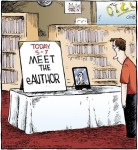
Digital Publishing

Posted to Nerdvana at the East Valley Tribune by Bob Leeper:

http://blogs.evtrib.com/nerdvana/books/are-printed-books-histor-e-local-authors-embrace-digital-publishing/65468/

Are printed books histor-E? Local authors embrace digital publishing

Posted by  on February 17, 2012 – 1:34 am

eBooks vs DinosaursDinosaurs walk among us. No, I don’t mean giant reptiles munching vegetation down on Main Street, or carnivorously carousing up the center of Central Boulevard. I’m talking about those of us who have yet to trade in our prized paperbacks and hallowed hardcover books for the new wave of Nooks, Kindles, BeBooks and other e-book reading devices.

For some of us, they will have to pull our dog-eared printed copy of Jurassic Park from our cold dead hands, but as e-books continue to grow in popularity, many local writers have embraced the medium of electronic books as an easy and inexpensive way to reach the masses with their literary efforts.

Bob Nelson is the CEO and manager of the local “media microglomerate” Brick Cave Media, an independent publisher that relies heavily on sales of electronic media. Bob was at the forefront of the ‘e’ revolution, offering books and magazines for sale online as early as 1996. He has since expanded his efforts and now publishes several local authors in electronic formats including e-books, CDs, DVDs and ‘old-school’ print.

“In 1996, myself and Joe Giunta published a literary magazine called Anthology,” Mr. Nelson said, “and the idea of being able to present readers with the magazine on their computer, as we envisioned it on page, but without the printing overhead, was tremendously appealing.” Between 2010 and 2012 Brick Cave Media has experienced triple digit revenue growth in their e-book sales, and for the first six weeks of 2012 they have done more business than in the first 5 months of 2011 combined.

Mr. Nelson explains, “As a consumer, and as a publisher, I see that some businesses ‘get it’ when it comes to e-books, and some do not. Amazon most definitely ‘gets it’ when it comes to creating an ecosystem that is pleasant to shop in and is user friendly for small-press and self-published authors to make their work available to a large audience. Some companies, like Sony, have had a hard time keeping up with the rapid changes in the industry over the last two years, while others like Apple, have embraced and pushed the medium to new heights. Others, like Google, have approached the effort in minimalist style, which can create an unfriendly user experience.”

Brick Cave BooksBrick Cave Media

Bob continued, “I always encourage people to take charge of their destiny, and this technology allows writers to do that. The challenge now is that everyone has the same access to the same technology, so you must become a savvy marketer to stand out from the crowd, and that will become more evident as more people choose to self-publish.”

While Brick Cave Media represents writers from all corners of the Phoenix Metro area, they are based out of the East Valley and sponsor many local spoken-word and writing events, including the sci-fi & fantasy writer’s workshop, at Lo-Fi Coffee in Mesa, on the first Saturday of every month. The workshop starts at 10 a.m. and includes a reading and discussion session, writing exercises and other fun activities to help you make your writing better. Authors or aspiring writers wanting to contact Brick Cave Media can email Bob Nelson at bob@brickcavemedia.com

There are also groups on the West-side of the Valley that can help aspiring authors to develop their work and get it out to an audience. The Westside Wordsmiths meet regularly and their members consist of both published authors and up-and-coming writers. Wordsmith member Michael Bradleyhas experienced e-book success with his steampunk novel The Travelers’ Club and the Ghost Ship.Michael says, “My own sales are steadily increasing on Kindle and in person. My fellow writers consider me a success story, but I am nowhere near where I plan to be.”

Mr. Bradley is working on starting up an Arizona Literary Guild and speaks regularly to new authors about independent publishing and its ups and downs. You can get more information on the Westside Wordsmiths and the upcoming Arizona Literary Guild by contacting Michael at email eiverness@cox.net

Here is a list of several genre books written by local authors and available online as eBooks, or for us dinosaurs, most can be ordered in print as well.

  • Escape Velocity by The Klute – Escape the Earth’s gravitational pull with poetry and musings by The Klute, including Vampire Slayer, I Never Met the Dead Man and Marketing the Planet.
  • Immortal Sherwood by J.A. Giunta – Set in the future, a computer programmer must deal with both his lost love and a sudden change of circumstance that could render his most recent programming effort to be his last.
  • The Stories of Haven by Sharon Skinner – There is nothing more dangerous than a woman scorned, especially when she can turn you to stone… The first Sharon Skinner story of Haven features the origin story of one of Haven’s first characters. If she’s a villain or a hero is for you to decide.
  • The Travelers’ Club and the Ghost Ship by Michael Bradley – This is not the 1880 you read about in your history books…
    Confederate sharpshooter Ashley Cooper discovers alien technologies, a world full of foes, and a showdown with zombies and other creatures of nightmare that will determine the future of mankind.
  • The Crawlspace by Darryl Dawson – There is a place so dark, so narrow and so cold that once you step inside, only nightmares matter. This collection takes you deep into that place with thirteen new tales of horror from the twisted, fertile imagination of Darryl Dawson.
  • The Egg Said Nothing by Caris O’Malley – Meet Manny. He’s your average shut-in with a penchant for late night television and looting local fountains for coins. With eight locks on his door and newspapers covering his windows, he’s a more than a bit paranoid, too. His wasn’t a great life, but it was comfortable-at least it was until the morning he awoke with an egg between his legs.
  • Spectrum by Bob Nelson – A collection of poetry by Bob Nelson, including X-Terminated, Dancing Time Bombs, Casual Indifference and Faith Based Nation. 

Tags: ,,

Leave a comment

Filed under Humor and Observations, Writing

101 Tips from Famous Authors

Words of Wisdom: 101 Tips from the World’s Most Famous Authors


re-posted from Collegeonline.com via StumbleUpon link.

If you’ve ever wanted to sit down with your favorite writer and ask advice, then you should take a look at these tips from some of the most famous authors in the world. These valuable bits of information provide guidance on strengthening your writing skills, becoming a better fiction writer or poet, learning to tap into your creativity, advice on education and school, and even a few suggestions on success and living a meaningful life. Of course, another excellent way of improving your writing is through traditional or online master’s degrees in creative writing.

General Writing Tips

Improve any type of writing you do with these solid tips from successful writers themselves.

  1. Ernest Hemingway. Use short sentences and short first paragraphs. These rules were two of four given to Hemingway in his early days as a reporter–and words he lived by.
  2. Mark Twain. Substitute “damn” every time you want to use the word “very.” Twain’s thought was that your editor would delete the “damn,” and leave the writing as it should be. The short version: eliminate using the word “very.”
  3. Oscar Wilde. Be unpredictable. Wilde suggested that “consistency is the last refuge of the unimaginative.”
  4. Anton Chekhov. Show, don’t tell. This advice comes out of most every writing class taught. Chekhov said it most clearly when he said, “Don’t tell me the moon is shining; show me the glint of light on broken glass.”
  5. EB White. Just write. The author of Charlotte’s Web, one of the most beloved of children’s books, said that “I admire anybody who has the guts to write anything at all.”
  6. Samuel Johnson. Keep your writing interesting. “The two most engaging powers of an author are to make new things familiar and familiar things new.”
  7. Ray Bradbury. Learn to take criticism well and discount empty praise, or as Bradbury put it, “to accept rejection and reject acceptance.”
  8. Toni Morrison. Remember that writing is always about communication. “Everything I’ve ever done, in the writing world, has been to expand articulation, rather than to close it.”
  9. George Orwell. Orwell offered twelve solid tips on creating strong writing, including an active voice rather than a passive one and eliminating longer words when shorter ones will work just as well.
  10. F. Scott Fitzgerald. “Cut out all those exclamation marks. An exclamation mark is like laughing at your own joke.”
  11. Anais Nin. “The role of a writer is not to say what we all can say, but what we are unable to say.”
  12. Truman Capote. Editing is as important as the writing. “I believe more in the scissors than I do in the pencil.”
  13. Maurice Sendak. Keep revising. “I never spent less than two years on the text of one of my picture books, even though each of them is approximately 380 words long. Only when the text is finished … do I begin the pictures.”

Tips for Beginning Writers

If you are thinking about a career in writing, whether you have a bachelor degree or a master’s degree, or are just starting to write seriously, then use these tips for great suggestions.

  1. Stephen King. “Read a lot and write a lot.” Reading and understanding different styles is integral to finding your own style.
  2. Margaret Mahy. Be persistent. This popular New Zealand author suggests that being persistent will pay off when facing adversity while writing or trying to get your writing published.
  3. John Grisham. Keep your day job. Grisham suggests finding your career outside of writing. Experience life, suffering, and love to be able to write effectively.
  4. John Steinbeck. “I’ve always tried out material on my dogs first.” Make sure that above all, you are happy with your work…and see if the dogs stay awake.
  5. Flannery O’Connor. Sometimes you need to stir the emotions to be heard. “I am not afraid that the book will be controversial, I’m afraid it will not be controversial.”
  6. Isaac Asimov. Use humor effectively.” Jokes of the proper kind, properly told, can do more to enlighten questions of politics, philosophy, and literature than any number of dull arguments.”
  7. Lillian Hellman. Trust your instincts. “If I had to give young writers advice, I would say don’t listen to writers talking about writing or themselves.”
  8. Doris Lessing. “I don’t know much about creative writing programs. But they’re not telling the truth if they don’t teach, one, that writing is hard work, and, two, that you have to give up a great deal of life, your personal life, to be a writer.”
  9. Jessamyn West. “Talent is helpful in writing, but guts are absolutely necessary.”
  10. William Faulkner. “A writer needs three things, experience, observation, and imagination, any two of which, at times any one of which, can supply the lack of the others.”
  11. Margaret Atwood. Don’t be afraid of failure. “A ratio of failures is built into the process of writing. The wastebasket has evolved for a reason.”
  12. Richard Bach. Never stop trying. “A professional writer is an amateur who didn’t quit.”
  13. Isabel Allende. Follow your passion, despite the obstacles. “I couldn’t write a novel sitting in a car but I could write short stories. The advantage to this is because with a short story you write fragments. In a couple of weeks you have a story and then you do some more. If you really want to do something you do it in the most awkward circumstances, of course.”

Fiction Tips

These tips are specifically for writing fiction, but many are good tips for writing in general. In addition, students can improve their overall writing skills through online degrees in writing.

  1. Kurt Vonnegut. Vonnegut offers eight rules of writing a short story, including tips such as “Every character should want something, even if it is only a glass of water” and “Every sentence must do one of two things–reveal character or advance the action.”
  2. Roald Dahl. From one of the most magical of storytellers: “And above all, watch with glittering eyes the whole world around you because the greatest secrets are always hidden in the most unlikely places. Those who don’t believe in magic will never find it.”
  3. Louis L’Amour. “A plot is nothing but a normal human situation that keeps arising again and again….normal human emotions–envy, ambition, rivalry, love, hate, greed, and so on.”
  4. John Irving. Know the story. Irving suggests knowing the basic outline of the entire story before you begin writing the first paragraph.
  5. Jack Kerouac. Although Kerouac set down 30 tips, the gist of most of them is to know yourself and write for yourself with abandonment.
  6. Scott Turow. Drawing from his experience as a trial lawyer, Turow discovered that what makes attorneys successful is what would make him successful as a writer: Tell a good story.
  7. Johann Wolfgang von Goethe. Write about what you know. “If a man writes a book, let him set down only what he knows. I have guesses enough of my own.”
  8. Leo Tolstoy. “Drama, instead of telling us the whole of a man’s life, must place him in such a situation, tie such a knot, that when it is untied, the whole man is visible.”
  9. Katherine Anne Porter. “If I didn’t know the ending of a story, I wouldn’t begin. I always write my last line, my last paragraph, my last page first.
  10. Robert Louis Stevenson. “The difficulty of literature is not to write, but to write what you mean.”
  11. W. Somerset Maugham. Make your own rules. “There are three rules for writing the novel. Unfortunately, no one knows what they are.”
  12. Vladimir Nabokov. The careful construction of details can make all the difference in your writing. “Caress the detail, the divine detail.”
  13. EL Doctorow. “Writing a novel is like driving a car at night. You can only see as far as your headlights, but you can make the whole trip that way.”

Poetry

Poets can find many helpful tips from writers who have come before them here. In addition, students can sharpen their overall poetry skills in online English literature programs.

  1. Robert Frost. Poetry offers many levels for readers. Capitalize on all you can. “A poem begins in delight and ends in wisdom.”
  2. Salman Rushdie. “A poet`s work is to name the unnamable, to point at frauds, to take sides, start arguments, shape the world, and stop it going to sleep.”
  3. WH Auden. Anticipate and recognize ideas. “All works of art are commissioned in the sense that no artist can create one by a simple act of will but must wait until what he believes to be a good idea for a work comes to him.”
  4. TS Eliot. Seek life experience. “Any poet, if he is to survive beyond his 25th year, must alter; he must seek new literary influences; he will have different emotions to express.”
  5. Henry David Thoreau. Understand the power of each word. “A written word is the choicest of relics. It is something at once more intimate with us and more universal than any other work of art.”
  6. Paul Valery. Keep revising. “A poem is never finished, only abandoned.”
  7. Percy Bysshe Shelley. Think about the obvious in new ways. “Poetry lifts the veil from the hidden beauty of the world, and makes familiar objects be as if they were not familiar.”
  8. Plato. Don’t just rely on the beauty of the words: make a statement. “Poetry comes nearer to vital truth than history.”
  9. Samuel Taylor Coleridge. Remember the importance of each word used in each poem. “I wish our clever young poets would remember my homely definitions of prose and poetry; that is, prose = words in their best order; –poetry = the best words in the best order.”
  10. Robert Graves. Write poetry because you want to, not because you expect to earn a living. “There’s no money in poetry, but then there’s no poetry in money either.”

Tips for Creativity

Whether you are facing writer’s block, just want to add a little more pizzazz to your work, or are writing something to complete your undergraduate degree or master’s degree program, use these tips to find more creativity.

  1. Annie Dillard. “Writing sentences is difficult whatever their subject. It is no less difficult to write sentences in a recipe than sentences in Moby Dick. So you might as well write Moby Dick.” No matter what, write.
  2. William Wordsworth. Write with passion. Wordsworth advocated, “Fill your paper with with the breathings of your heart.”
  3. Alice Walker. Walker recommends meditation for writing, as well as life. She credits meditation for helping her write her books.
  4. James Patterson. “I’m always pretending that I’m sitting across from somebody. I’m telling them a story, and I don’t want them to get up until it’s finished.”
  5. John Cheever. Looking inwards and learning from yourself provides great material for writing. “The need to write comes from the need to make sense of one’s life and discover one’s usefulness.”
  6. Agatha Christie. Let your mind go while keeping your hands busy. “The best time for planning a book is when you’re doing the dishes.”
  7. Francis Bacon. Always carry something to write on. “A man would do well to carry a pencil in his pocket and write down the thoughts of the moment. Those that come unsought are commonly the most valuable and should be secured, they seldom return.”
  8. Jack London. “You can’t wait for inspiration. You have to go after it with a club.” Sometimes you need to actively seek your sources of inspiration.
  9. Maya Angelou. Follow your instincts and do what you feel you must. “A bird doesn’t sing because it has an answer, it sings because it has a song.
  10. Virginia Woolf. “Arrange whatever pieces come your way.” Sometimes you have to recognize what you have and make the best of it.
  11. Charles Dickens. Play with your ideas, talk with them, and coax them into a fully-formed creation. “An idea, like a ghost, must be spoken to a little before it will explain itself.”

School and Education

Find out what famous writers have to say about school and getting an education, whether it be traditional oronline.

  1. Ralph Waldo Emerson. Recognize what students can give to teachers as well as what teachers can impart. “Of course you will insist on modesty in the children, and respect to their teachers, but if the boy stops you in your speech, cries out that you are wrong and sets you right, hug him!”
  2. Barbara Kingsolver. “Libraries are the one American institution you shouldn’t rip off.”
  3. Martin Luther King, Jr. Use education to build character. “The function of education is to teach one to think intensively and to think critically… Intelligence plus character–that is the goal of true education.”
  4. Robert M Hutchins. Keep in mind what school provides for the long run. “The object of education is to prepare the young to educate themselves throughout their lives.”
  5. Norman Cousins. “The purpose of education is to enable us to develop to the fullest that which is inside us.”
  6. Nelson Mandela. Use your knowledge to make a difference. “Education is the most powerful weapon which you can use to change the world.”
  7. John Dewey. “Education is a social process; education is growth; education is not a preparation for life but is life itself.
  8. BF Skinner. Appreciate knowledge and the rest will come. “We shouldn’t teach great books; we should teach a love of reading.”
  9. Aristippus. Use your education to cultivate what you already have. “Native ability without education is like a tree without fruit.”
  10. Robert Frost. Learn to separate emotion from knowledge. “Education is the ability to listen to almost anything without losing your temper or your self-confidence.”
  11. Charlotte Bronte. Embrace the opportunity to see beyond your known world. “Prejudices, it is well known, are most difficult to eradicate from the heart whose soil has never been loosened or fertilized by education; they grow there, firm as weeds among stones.”

Lifelong Learning

Learning should go far beyond college and even graduate school, and these writers agree. Find out what they suggest to keep the quest for knowledge alive.

  1. Aristotle. Learn to analyze what you are being told. “It is the mark of an educated mind to be able to entertain a thought without accepting it.”
  2. Robert Frost. Don’t ever stop learning. “Education is hanging around until you’ve caught on.”
  3. Albert Einstein. Don’t ever stop questioning. “The important thing is not to stop questioning.”
  4. WB Yeats. Discover what lights your fire. “Education is not the filling of a bucket, but the lighting of a fire.”
  5. CS Lewis. Learn by doing. “Experience: that most brutal of teachers. But you learn, my God do you learn.”
  6. Friedrich Nietzche. Learn the basics first. “He who would learn to fly one day must first learn to stand and walk and run and climb and dance, one cannot fly into flying.”
  7. Socrates. Learning is ultimately your own responsibility. “I cannot teach anybody anything, I can only make them think.”
  8. Aldous Huxley. Don’t become complacent. “A child-like man is not a man whose development has been arrested; on the contrary, he is a man who has given himself a chance of continuing to develop long after most adults have muffled themselves in the cocoon of middle-aged habit and convention.”
  9. Willa Cather. Embrace every opportunity to learn. “There are some things you learn best in calm, and some in storm.”
  10. Confucius. Education should be much more than memorizing facts. “Learning without thought is labor lost; thought without learning is perilous.”

Success

No matter what career you pursue after college, success is likely a goal. Discover what tips these authors have to share about achieving success in life.

  1. Isak Dinesen. “When you have a great and difficult task, something perhaps almost impossible, if you only work a little at a time, every day a little, suddenly the work will finish itself.”
  2. Margaret Atwood. Speak your mind and stand up for what you believe. “A voice is a human gift; it should be cherished and used, to utter fully human speech as possible. Powerlessness and silence go together.”
  3. Malcolm S. Forbes. “Failure is success if we learn from it.”
  4. Helen Keller. Find the joy in small accomplishments. “I long to accomplish a great and noble task, but it is my chief duty to accomplish small tasks as if they were great and noble.”
  5. Dr. Seuss. Be responsible for your own success. “You have brains in your head. You have feet in your shoes. You can steer yourself in any direction you choose. You’re on your own. And you know what you know. You are the guy who’ll decide where to go.”
  6. Kahlil Gibran. Stay the course, even when it feels like you aren’t making progress. “One may not reach the dawn save by the path of the night.”
  7. Ralph Waldo Emerson. Believe in yourself. “Whatever course you decide upon, there is always someone to tell you that you are wrong. There are always difficulties arising which tempt you to believe that your critics are right. To map out a course of action and follow it to an end requires courage.”
  8. Paul Coelho. “Be brave. Take risks. Nothing can substitute experience.”
  9. Tennessee Williams. Let success happen in its own time. “Success is blocked by concentrating on it and planning for it… Success is shy – it won’t come out while you’re watching.”

On Living

These last few tips all include good, solid advice on living life to your best potential.

  1. Alexander Pope. Don’t be afraid to make mistakes. Pope is the author of one of the most famous quotes on allowing yourself to make a mistake with his famous, “To err is human, to forgive divine.”
  2. Benjamin Franklin. “Either write something worth reading or do something worth writing.”
  3. JK Rowling. “If you want to see the true measure of a man, watch how he treats his inferiors, not his equals.”
  4. Barbara Kingsolver. “The truth needs so little rehearsal.”
  5. Maya Angelou. “I’ve learned that people will forget what you said, people will forget what you did, but people will never forget how you made them feel.”
  6. Umberto Eco. Sometimes things are just as they seem. “But now I have come to believe that the whole world is an enigma, a harmless enigma that is made terrible by our own mad attempt to interpret it as though it had an underlying truth.”
  7. John Ruskin. “There is no wealth but life.”
  8. George Bernard Shaw. Appreciate the good and the bad–it is all a part of life. “Life does not cease to be funny when people die any more than it ceases to be serious when people laugh.”
  9. Arthur Miller. “Maybe all one can do is hope to end up with the right regrets.”
  10. Charles M. Schulz. “Life is like a ten speed bicycle. Most of us have gears we never use.”
  11. John Burroughs. Realize what is important to you. “I still find each day too short for all the thoughts I want to think, all the walks I want to take, all the books I want to read, and all the friends I want to see.”

1 Comment

Filed under Writing

20 Common Grammar Mistakes

20 Common Grammar Mistakes That (Almost) Everyone Makes

COLUMN BY JON GINGERICH JANUARY 31, 2012

I’ve edited a monthly magazine for more than six years, and it’s a job that’s come with more frustration than reward. If there’s one thing I am grateful for — and it sure isn’t the pay — it’s that my work has allowed endless time to hone my craft to Louis Skolnick levels of grammar geekery.

As someone who slings red ink for a living, let me tell you: grammar is an ultra-micro component in the larger picture; it lies somewhere in the final steps of the editing trail; and as such it’s an overrated quasi-irrelevancy in the creative process, perpetuated into importance primarily by bitter nerds who accumulate tweed jackets and crippling inferiority complexes. But experience has also taught me that readers, for better or worse, will approach your work with a jaundiced eye and an itch to judge. While your grammar shouldn’t be a reflection of your creative powers or writing abilities, let’s face it — it usually is.

Below are 20 common grammar mistakes I see routinely, not only in editorial queries and submissions, but in print: in HR manuals, blogs, magazines, newspapers, trade journals, and even best selling novels. If it makes you feel any better, I’ve made each of these mistakes a hundred times, and I know some of the best authors in history have lived to see these very toadstools appear in print. Let’s hope you can learn from some of their more famous mistakes.

Who and Whom

This one opens a big can of worms. “Who” is a subjective — or nominative — pronoun, along with “he,” “she,” “it,” “we,” and “they.” It’s used when the pronoun acts as the subject of a clause. “Whom” is an objective pronoun, along with “him,” “her,” “it”, “us,” and “them.” It’s used when the pronoun acts as the object of a clause. Using “who” or “whom” depends on whether you’re referring to the subject or object of a sentence. When in doubt, substitute “who” with the subjective pronouns “he” or “she,” e.g., Who loves you? cf., He loves me. Similarly, you can also substitute “whom” with the objective pronouns “him” or “her.” e.g.I consulted an attorney whom I met in New York. cf., I consulted him.

Which and That

This is one of the most common mistakes out there, and understandably so. “That” is a restrictive pronoun. It’s vital to the noun to which it’s referring.  e.g., I don’t trust fruits and vegetables that aren’t organic. Here, I’m referring to all non-organic fruits or vegetables. In other words, I only trust fruits and vegetables that are organic. “Which” introduces a relative clause. It allows qualifiers that may not be essential. e.g., I recommend you eat only organic fruits and vegetables, which are available in area grocery stores. In this case, you don’t have to go to a specific grocery store to obtain organic fruits and vegetables. “Which” qualifies, “that” restricts. “Which” is more ambiguous however, and by virtue of its meaning is flexible enough to be used in many restrictive clauses. e.g., The house, which is burning, is mine. e.g., The house that is burning is mine.

Lay and Lie

This is the crown jewel of all grammatical errors. “Lay” is a transitive verb. It requires a direct subject and one or more objects. Its present tense is “lay” (e.g., I lay the pencil on the table) and its past tense is “laid” (e.g.,Yesterday I laid the pencil on the table). “Lie” is an intransitive verb. It needs no object. Its present tense is “lie” (e.g., The Andes mountains lie between Chile and Argentina) and its past tense is “lay” (e.g., The man lay waiting for an ambulance). The most common mistake occurs when the writer uses the past tense of the transitive “lay” (e.g., I laid on the bed) when he/she actually means the intransitive past tense of “lie” (e.g., I lay on the bed).

Moot

Contrary to common misuse, “moot” doesn’t imply something is superfluous. It means a subject is disputable or open to discussion. e.g., The idea that commercial zoning should be allowed in the residential neighborhood was a moot point for the council.
Continual and Continuous

They’re similar, but there’s a difference. “Continual” means something that’s always occurring, with obvious lapses in time. “Continuous” means something continues without any stops or gaps in between. e.g., The continual music next door made it the worst night of studying ever. e.g., Her continuous talking prevented him from concentrating.

Envy and Jealousy

The word “envy” implies a longing for someone else’s good fortunes. “Jealousy” is far more nefarious. It’s a fear of rivalry, often present in sexual situations. “Envy” is when you covet your friend’s good looks. “Jealousy” is what happens when your significant other swoons over your good-looking friend.

Nor

“Nor” expresses a negative condition. It literally means “and not.” You’re obligated to use the “nor” form if your sentence expresses a negative and follows it with another negative condition. “Neither the men nor the women were drunk” is a correct sentence because “nor” expresses that the women held the same negative condition as the men. The old rule is that “nor” typically follows “neither,” and “or” follows “either.” However, if neither “either” nor “neither” is used in a sentence, you should use “nor” to express a second negative, as long as the second negative is a verb. If the second negative is a noun, adjective, or adverb, you would use “or,” because the initial negative transfers to all conditions. e.g., He won’t eat broccoli or asparagus. The negative condition expressing the first noun (broccoli) is also used for the second (asparagus).

May and Might

“May” implies a possibility. “Might” implies far more uncertainty. “You may get drunk if you have two shots in ten minutes” implies a real possibility of drunkenness. “You might get a ticket if you operate a tug boat while drunk” implies a possibility that is far more remote. Someone who says “I may have more wine” could mean he/she doesn’t want more wine right now, or that he/she “might” not want any at all. Given the speaker’s indecision on the matter, “might” would be correct.

Whether and If

Many writers seem to assume that “whether” is interchangeable with “if.” It isn’t. “Whether” expresses a condition where there are two or more alternatives. “If” expresses a condition where there are no alternatives. e.g., I don’t know whether I’ll get drunk tonight. e.g., I can get drunk tonight if I have money for booze.
Fewer and Less

“Less” is reserved for hypothetical quantities. “Few” and “fewer” are for things you can quantify. e.g., The firm has fewer than ten employees. e.g., The firm is less successful now that we have only ten employees.

Farther and Further

The word “farther” implies a measurable distance. “Further” should be reserved for abstract lengths you can’t always measure. e.g., I threw the ball ten feet farther than Bill. e.g., The financial crisis caused further implications.

Since and Because

“Since” refers to time. “Because” refers to causation. e.g., Since I quit drinking I’ve married and had two children. e.g., Because I quit drinking I no longer wake up in my own vomit.

Disinterested and Uninterested

Contrary to popular usage, these words aren’t synonymous. A “disinterested” person is someone who’s impartial. For example, a hedge fund manager might take interest in a headline regarding the performance of a popular stock, even if he’s never invested in it. He’s “disinterested,” i.e., he doesn’t seek to gain financially from the transaction he’s witnessed. Judges and referees are supposed to be “disinterested.” If the sentence you’re using implies someone who couldn’t care less, chances are you’ll want to use “uninterested.”

Anxious

Unless you’re frightened of them, you shouldn’t say you’re “anxious to see your friends.” You’re actually “eager,” or “excited.” To be “anxious” implies a looming fear, dread or anxiety. It doesn’t mean you’re looking forward to something.

Different Than and Different From

This is a tough one. Words like “rather” and “faster” are comparative adjectives, and are used to show comparison with the preposition “than,” (e.g., greater than, less than, faster than, rather than). The adjective “different” is used to draw distinction. So, when “different” is followed by a  preposition, it should be “from,” similar to “separate from,” “distinct from,” or “away from.” e.g., My living situation in New York was different from home. There are rare cases where “different than” is appropriate, if “than” operates as a conjunction. e.g.,Development is different in New York than in Los Angeles. When in doubt, use “different from.”

Bring and Take

In order to employ proper usage of “bring” or “take,” the writer must know whether the object is being moved toward or away from the subject. If it is toward, use “bring.” If it is away, use “take.” Your spouse may tell you to “take your clothes to the cleaners.” The owner of the dry cleaners would say “bring your clothes to the cleaners.”

Impactful

It isn’t a word. “Impact” can be used as a noun (e.g., The impact of the crash was severe) or a transitive verb (e.g., The crash impacted my ability to walk or hold a job). “Impactful” is a made-up buzzword, colligated by the modern marketing industry in their endless attempts to decode the innumerable nuances of human behavior into a string of mindless metrics. Seriously, stop saying this.
Affect and Effect

Here’s a trick to help you remember: “Affect” is almost always a verb (e.g., Facebook affects people’s attention spans), and “effect” is almost always a noun (e.g., Facebook’s effects can also be positive). “Affect” means to influence or produce an impression — to cause hence, an effect. “Effect” is the thing produced by the affecting agent; it describes the result or outcome. There are some exceptions. “Effect” may be used as a transitive verb, which means to bring about or make happen. e.g., My new computer effected a much-needed transition from magazines to Web porn. There are similarly rare examples where “affect” can be a noun. e.g., His lack of affect made him seem like a shallow person.
Irony and Coincidence

Too many people claim something is the former when they actually mean the latter. For example, it’s not “ironic” that “Barbara moved from California to New York, where she ended up meeting and falling in love with a fellow Californian.” The fact that they’re both from California is a “coincidence.” “Irony” is the incongruity in a series of events between the expected results and the actual results. “Coincidence” is a series of events that appear planned when they’re actually accidental. So, it would be “ironic” if “Barbara moved from California to New York to escape California men, but the first man she ended up meeting and falling in love with was a fellow Californian.”

Nauseous

Undoubtedly the most common mistake I encounter. Contrary to almost ubiquitous misuse, to be “nauseous” doesn’t mean you’ve been sickened: it actually means you possess the ability to produce nausea in others. e.g., That week-old hot dog is nauseous. When you find yourself disgusted or made ill by a nauseating agent, you are actually “nauseated.” e.g., I was nauseated after falling into that dumpster behind the Planned Parenthood. Stop embarrassing yourself.


If you’re looking for a practical, quick guide to proper grammar, I suggest the tried-and-true classic The Elements of Style, by William Strunk, Jr. and E. B. White. A few of these examples are listed in the book, and there are plenty more. Good luck!


3 Comments

Filed under Writing

Joss Whedon’s Top 10 Writing Tips

Joss Whedon’s Top 10 Writing Tips

reposted from:

Joss Whedon Top 10 Writing Tips

Film critic Catherine Bray interviewed Joss Whedon in 2006 for UK movie magazine Hotdog to find out his top ten screenwriting tips. Photo: Joss Whedon at San Diego Comic Con – courtesy of Gage Skidmore.

Joss Whedon is most famous for creating Buffy the Vampire Slayer, its spin-off Angel and the short-lived but much-loved Firefly series. But the writer and director has also worked unseen as a script doctor on movies ranging from Speed to Toy Story. Here, he shares his tips on the art of screenwriting.

1. FINISH IT
Actually finishing it is what I’m gonna put in as step one. You may laugh at this, but it’s true. I have so many friends who have written two-thirds of a screenplay, and then re-written it for about three years. Finishing a screenplay is first of all truly difficult, and secondly really liberating. Even if it’s not perfect, even if you know you’re gonna have to go back into it, type to the end. You have to have a little closure.

2. STRUCTURE
Structure means knowing where you’re going; making sure you don’t meander about. Some great films have been made by meandering people, like Terrence Malick and Robert Altman, but it’s not as well done today and I don’t recommend it. I’m a structure nut. I actually make charts. Where are the jokes? The thrills? The romance? Who knows what, and when? You need these things to happen at the right times, and that’s what you build your structure around: the way you want your audience to feel. Charts, graphs, coloured pens, anything that means you don’t go in blind is useful.

3. HAVE SOMETHING TO SAY
This really should be number one. Even if you’re writing a Die Hard rip-off, have something to say about Die Hard rip-offs. The number of movies that are not about what they purport to be about is staggering. It’s rare, especially in genres, to find a movie with an idea and not just, ‘This’ll lead to many fine set-pieces’. The Island evolves into a car-chase movie, and the moments of joy are when they have clone moments and you say, ‘What does it feel like to be those guys?’

4. EVERYBODY HAS A REASON TO LIVE
Everybody has a perspective. Everybody in your scene, including the thug flanking your bad guy, has a reason. They have their own voice, their own identity, their own history. If anyone speaks in such a way that they’re just setting up the next person’s lines, then you don’t get dialogue: you get soundbites. Not everybody has to be funny; not everybody has to be cute; not everybody has to be delightful, and not everybody has to speak, but if you don’t know who everybody is and why they’re there, why they’re feeling what they’re feeling and why they’re doing what they’re doing, then you’re in trouble.

5. CUT WHAT YOU LOVE
Here’s one trick that I learned early on. If something isn’t working, if you have a story that you’ve built and it’s blocked and you can’t figure it out, take your favourite scene, or your very best idea or set-piece, and cut it. It’s brutal, but sometimes inevitable. That thing may find its way back in, but cutting it is usually an enormously freeing exercise.

6. LISTEN
When I’ve been hired as a script doctor, it’s usually because someone else can’t get it through to the next level. It’s true that writers are replaced when executives don’t know what else to do, and that’s terrible, but the fact of the matter is that for most of the screenplays I’ve worked on, I’ve been needed, whether or not I’ve been allowed to do anything good. Often someone’s just got locked, they’ve ossified, they’re so stuck in their heads that they can’t see the people around them. It’s very important to know when to stick to your guns, but it’s also very important to listen to absolutely everybody. The stupidest person in the room might have the best idea.

7. TRACK THE AUDIENCE MOOD
You have one goal: to connect with your audience. Therefore, you must track what your audience is feeling at all times. One of the biggest problems I face when watching other people’s movies is I’ll say, ‘This part confuses me’, or whatever, and they’ll say, ‘What I’m intending to say is this’, and they’ll go on about their intentions. None of this has anything to do with my experience as an audience member. Think in terms of what audiences think. They go to the theatre, and they either notice that their butts are numb, or they don’t. If you’re doing your job right, they don’t. People think of studio test screenings as terrible, and that’s because a lot of studios are pretty stupid about it. They panic and re-shoot, or they go, ‘Gee, Brazil can’t have an unhappy ending,’ and that’s the horror story. But it can make a lot of sense.

8. WRITE LIKE A MOVIE
Write the movie as much as you can. If something is lush and extensive, you can describe it glowingly; if something isn’t that important, just get past it tersely. Let the read feel like the movie; it does a lot of the work for you, for the director, and for the executives who go, ‘What will this be like when we put it on its feet?’

9. DON’T LISTEN
Having given the advice about listening, I have to give the opposite advice, because ultimately the best work comes when somebody’s fucked the system; done the unexpected and let their own personal voice into the machine that is moviemaking. Choose your battles. You wouldn’t get Paul Thomas Anderson, or Wes Anderson, or any of these guys if all moviemaking was completely cookie-cutter. But the process drives you in that direction; it’s a homogenising process, and you have to fight that a bit. There was a point while we were making Firefly when I asked the network not to pick it up: they’d started talking about a different show.

10. DON’T SELL OUT
The first penny I ever earned, I saved. Then I made sure that I never had to take a job just because I needed to. I still needed jobs of course, but I was able to take ones that I loved. When I say that includes Waterworld, people scratch their heads, but it’s a wonderful idea for a movie. Anything can be good. Even Last Action Hero could’ve been good. There’s an idea somewhere in almost any movie: if you can find something that you love, then you can do it. If you can’t, it doesn’t matter how skilful you are: that’s called whoring.

Leave a comment

Filed under Writing

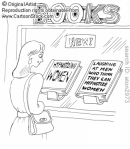
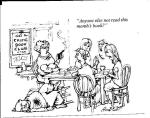
Book/Writing Humor

Humorous jokes about books and writing.  Hope you find at least a few entertaining.

1 Comment

Filed under Humor and Observations, Writing

Pixar’s 22 Rules of Storytelling

Pixar’s 22 Rules of Storytelling

Pixar's 22 Rules of Storytelling
These rules were originally tweeted by Emma Coats, Pixar’s Story Artist.

  1. You admire a character for trying more than for their successes.
  2. You gotta keep in mind what’s interesting to you as an audience, not what’s fun to do as a writer. They can be very different.
  3. Trying for theme is important, but you won’t see what the story is actually about til you’re at the end of it. Now rewrite.
  4. Once upon a time there was ___. Every day, ___. One day ___. Because of that, ___. Because of that, ___. Until finally ___.
  5. Simplify. Focus. Combine characters. Hop over detours. You’ll feel like you’re losing valuable stuff but it sets you free.
  6. What is your character good at, comfortable with? Throw the polar opposite at them. Challenge them. How do they deal?
  7. Come up with your ending before you figure out your middle. Seriously. Endings are hard, get yours working up front.
  8. Finish your story, let go even if it’s not perfect. In an ideal world you have both, but move on. Do better next time.
  9. When you’re stuck, make a list of what WOULDN’T happen next. Lots of times the material to get you unstuck will show up.
  10. Pull apart the stories you like. What you like in them is a part of you; you’ve got to recognize it before you can use it.
  11. Putting it on paper lets you start fixing it. If it stays in your head, a perfect idea, you’ll never share it with anyone.
  12. Discount the 1st thing that comes to mind. And the 2nd, 3rd, 4th, 5th – get the obvious out of the way. Surprise yourself.
  13. Give your characters opinions. Passive/malleable might seem likable to you as you write, but it’s poison to the audience.
  14. Why must you tell THIS story? What’s the belief burning within you that your story feeds off of? That’s the heart of it.
  15. If you were your character, in this situation, how would you feel? Honesty lends credibility to unbelievable situations.
  16. What are the stakes? Give us reason to root for the character. What happens if they don’t succeed? Stack the odds against.
  17. No work is ever wasted. If it’s not working, let go and move on – it’ll come back around to be useful later.
  18. You have to know yourself: the difference between doing your best & fussing. Story is testing, not refining.
  19. Coincidences to get characters into trouble are great; coincidences to get them out of it are cheating.
  20. Exercise: take the building blocks of a movie you dislike. How d’you rearrange them into what you DO like?
  21. You gotta identify with your situation/characters, can’t just write ‘cool’. What would make YOU act that way?
  22. What’s the essence of your story? Most economical telling of it? If you know that, you can build out from there.

1 Comment

Filed under Writing

Book Publishers Scramble to Rewrite Their Future

Book Publishers Scramble to Rewrite Their Future

  • BY EVAN HUGHES
  • 03.19.13
  • 6:30 AM


Illustration: Stephen Doyle 

While working in a bookstore in Boone, North Carolina, back in 2011, a 36-year-old college dropout named Hugh Howey started writing a series of sci-fi novellas called Wool. His stories were set in a postapocalyptic world where all human survivors live in an underground silo, a microsociety where resources are so scarce that one person has to die before another can be born. Howey had already published a book with a small press, but he wanted to retain creative control, and he didn’t want to go through the arduous process of finding an agent. So he decided to put out the new books himself, selling digital downloads and print editions through Amazon. In the first six months he sold 14,000 copies. Each new installment met with immediate enthusiasm. Within hours he’d receive emails from readers hungry for more.

By January of last year, agents were calling Howey, looking to publish the books through more established channels, but he was reluctant. At that point, the Wool series was already making him close to $12,000 a month. Nelson Literary Agency founder Kristin Nelson won Howey over when she admitted that she wasn’t sure traditional publishing could offer him anything better than what he was doing on his own. (When she recounted this remark at a recent industry conference, the publishing professionals in the audience shifted uncomfortably in their chairs.) By May, Wool was bringing in $130,000 a month, and Howey and Nelson had sold the film option to 20th Century Fox and Ridley Scott. A couple of publishers made seven-figure offers for the rights to sell the book in hardcover, paperback, and ebook, but Howey and Nelson turned them down. He’d make that much in a year of digital sales alone.

Then Simon & Schuster’s president sent Nelson an email that opened the door to a six-figure deal for print rights only. It was an extraordinary concession—the publisher would agree to put its full marketing muscle behind Wool despite having to forgo the ebook revenue stream that has generated the bulk of the series’s earnings. It’s often said in publishing that with a blockbuster book, everybody wins. But with Wool, it’s Hugh Howey who has won biggest.

After centuries in which books and the process of publishing them barely changed, the digital revolution has thrown the entire business up for grabs. It’s a transformation that began with the rise of Amazon as an online bookseller and accelerated with the resulting decline of the physical bookstore. But with the shift to ebooks—which now represent upwards of 20 percent of big publishers’ revenue, up from 1 percent in 2008—every aspect of the existing framework is now open to debate: how much books will cost, how long they’ll be, whether they’ll be edited, who will publish them, and whether authors will continue to be paid in advance to write them. It’s a future that Amazon doesn’t control and one where traditional publishers might eventually thrive, not just survive. The only certainty is that the venerable book business, a settled landscape for so long, is now open territory for anyone to claim.

Of all the worries in the publishing world these days, the king of them is cultural irrelevance. “The fact is that people don’t read anymore,” Steve Jobs told a reporter in 2008, blurting out the secret fear of bookish people everywhere. But consider this: In one week, people who don’t read anymore bought about half a million copies of a really long book called Steve Jobs. In the past year, Vintage has sold one book from the Fifty Shades of Grey trilogy for every six American adults. The Big Six publishers—Random House, Penguin, Hachette, Macmillan, Simon & Schuster, and HarperCollins—all make money, and at profit margins that are likely better than they were 50 years ago.

Meanwhile, readers have an unprecedented array of options. E-readers have gotten consistently cheaper and better since the first Kindle shipped in 2007, giving customers instant access to millions of titles. For a couple of dollars you can buy a self-published sensation or a Kindle Single rather than a full-length book. Add it all together and you have a more vibrant market for literary material than ever before, with nearly 3 billion copies sold every year. Amazon likes to point out that new Kindle buyers go on to purchase almost five times as many books from Amazon, print and digital, in the ensuing year as they did in the prior one. “I believe we’ll look back in five years,” says Russ Grandinetti, VP of Kindle content for Amazon, “and realize that digital was one of the great expansions of the publishing business.”

For all the digital optimism, not even Amazon is ready to declare the traditional model dead. In May 2011 the company announced that it was going head-to-head with the Big Six by launching a general-interest imprint in Manhattan, headed by respected industry veteran Larry Kirshbaum. It signed up celebrity authors, paying a reported $850,000 for a memoir by Laverne & Shirley star Penny Marshall and winning over best-selling self-help author Timothy Ferriss. Tired of being undersold by Amazon and wary of its encroachment into their business, many brick-and-mortar booksellers refused to stock the titles. The boycott has worked so far: Marshall’s book flopped, and Ferriss’ undersold his previous offering. Ferriss says he doesn’t regret his experiment with Amazon Publishing, but he allows, “I could have made more money—certainly up to this point—by staying with Random House.”

Still, it’s not clear that traditional publishers are well positioned to own the digital future. They are saddled with the costs of getting dead trees to customers—paper, printing, binding, warehousing, and shipping—and they cannot simply jettison those costs, because that system accounts for roughly 80 percent of their business. Ebooks continue to gain ground, but the healthiness of the profit margins is unclear. J. K. Rowling’s latest book helps illustrate this bind. At a rumored advance of $7 million, Little, Brown essentially backed up an armored car to Rowling’s house to pay her before seeing a nickel in revenue. The publisher then paid highly trained people to improve the novel and well-connected people to publicize and market it until it was inescapable. Little, Brown’s landlord in Manhattan occasionally asks for rent too. If a reader can buy the Kindle edition for $8.99, the public might eventually find it absurd to pay $19.99 for a printed version, let alone the $35 that Little, Brown wants for the hardcover.

What’s more, awarding huge contracts for books that may not even be written yet creates tremendous risk. The industry is plagued by what indie-publishing entrepreneur Richard Nash has called the “pathology of unearned advances.” An author who gets a book deal is paid an advance against royalties, and if the royalties end up exceeding the advance, the author starts getting more checks. But that doesn’t usually happen.

The uncertainty about a book’s potential value cuts both ways. Daniel Menaker, former executive editor in chief of Random House, told me what happened when a fellow editor there presented a case to his colleagues for making an offer on Laura Hillenbrand’s Seabiscuit: “People just laughed, and someone said, ‘Talk about beating a dead horse.’ ”  Good one! The editor, Jonathan Karp, luckily won the argument, and Random House bought the rights for only five figures. More than 2 million copies were in print even before the movie came out. Unfortunately, the more common scenario is that a publisher opens the vault for a book that tanks. Bantam paid a reported $2 million in 2005 for two novels from a sci-fi writer named Gordon Dahlquist. If the title The Glass Books of the Dream Eaters doesn’t sound familiar, you’re not alone.

The disappearance of the physical bookstore would endanger the entire book business—even Amazon.

The publishing houses stay afloat only because the megahits pay for the flops, and there’s generally enough left over for profit. Predicting the success or failure of any given book is impossible. Menaker recalls Jason Epstein, who led Random House for four decades, telling him, “Make no mistake—this is gambling.” Which is why the pricing pressure on ebooks is so scary to publishers: If they are the gambler at the slot machines, placing scores of bets and relying on the winnings to trump the losses, Amazon represents a casino that offers smaller and smaller payouts.

Beyond the immediate concern over prices, publishers also worry that the disappearance of the physical bookstore could endanger the entire book business, even (ironically) Amazon. Research has shown that readers don’t tend to use online bookstores to discover books; they use them to purchase titles they find out about elsewhere—frequently at physical stores. (If you want to see a bookstore owner get angry, mention Amazon’s Price Check app, which allows customers to scan an item in a physical store and buy it for less from Amazon then and there.) With no stores to browse in, publishers fear, book sales everywhere could take a significant hit.

This is one reason that, in 2010, five of the Big Six publishers worked with Apple to institute a new model to keep other retailers competitive with Amazon. In an attempt to win customers, Amazon had been routinely selling ebooks at a loss, paying, say, $12 to $15 wholesale for a popular ebook and then selling it for $9.99. Under the new so-called agency model, the publisher would have the power to set the price everywhere—between $12.99 and $14.99 for most best sellers—but the retailer would take 30 percent. That is, the publishers agreed to a scheme in which Amazon would make significantly more per book and they would make less. They were playing the long game, trying to protect physical stores and print sales and chip away at Amazon’s overwhelming ebook market share.

After fighting the plan, Amazon caved. But the Department of Justice sued the five publishers and Apple for collusion, and Amazon described one of the resulting settlements as “a big win for Kindle owners.” The recently announced merger of the two biggest of the Big Six, Random House and Penguin, is widely seen as a move to build an entity that can stand up to Amazon’s market power.

In the long term, what publishers have to fear the most may not be Amazon but an idea it has helped engender—that the only truly necessary players in the game are the author and the reader. “I was at a meeting God knows how many years ago at MIT,” former Random House chief Epstein says, “and someone used the word disintermediation. When I deconstructed that, I said, ‘Oh my God, that’s the end of the publishing business.’ ”  At a time when a writer can post a novel online and watch the revenue pour in by direct deposit, the publishing industry’s skill at making books, selling them by hand to bookstores, and managing the distribution of the product threatens to become irrelevant. In Epstein’s vision, the writer may need a freelance editor, a publicist, and an agent who functions as a kind of business manager, but authors will keep a bigger share of the proceeds with no lumbering media corporation standing in the way.

So far this phenomenon has largely been limited to previously unknown writers like Hugh Howey. Amanda Hocking, a 26-year-old Minnesotan who worked days at an assisted-living facility, grossed about $2 million on ebooks in a little over a year with her paranormal romances and zombie novels for young adults. John Locke, a self-published crime writer, had already beaten Hocking to the 1-million-ebook mark on Amazon. And then, of course, there is E. L. James’ Fifty Shades of Grey, which began as self-published Twilight fan fiction but wound up making 2012 so bountiful for Random House that it gave a $5,000 bonus to each employee.

But these are the exceptions. In general, new writers gain much more than they lose by signing with a major house. Most self-published authors have trouble selling a copy outside of their immediate family. Even if they have talent, they lack professional help or the imprimatur of quality that a publisher can bring. Indeed, Fifty Shades, which some have taken to be the definitive evidence in favor of self-publishing, is more accurately a demonstration of the opposite: The book became a massive commercial success only after Random House got involved, placing giant stacks of paperbacks in bookstores everywhere and buying huge ads in the London Underground.

The real danger to publishers is that big-ticket authors, who relied on the old system to build their careers, will abandon them now that they have established an audience. As Howey says, “When that happens, all bets are off.” The John Grishams of the world already manage to extract excellent deals in the traditional way because of their huge and reliable sales, and few writers relish the work of being their own publisher. But as that work grows easier—as complex print distribution loses ground to low-cost digital delivery—the big names are starting to get tempted. Stephen King has been experimenting with bypassing his publisher, releasing his latest essay as a Kindle Single directly (albeit with some editing and promotion) through the Amazon store. The popular suspense writer Barry Eisler turned down a $500,000 book contract with the intention to self-publish—but before he could do so, Amazon Publishing offered him a sweetheart deal.

Pretty soon one of these famous writers will step up to the cliff and actually jump. Maybe it will be Tim Ferriss. His less-than-stellar results with Amazon might push him back to a traditional publisher—or in another direction entirely. A great deal of money hinges on what he and his fellow best-selling authors decide to do next. “I wouldn’t be surprised if I self-published in the next few years,” Ferriss says. “Wouldn’t remotely surprise me.”

Evan Hughes (@evanhughes) is the author of Literary Brooklyn.

4 Comments

Filed under Writing

Historical Writing – Chronology of Events in Science, Mathematics, and Technology

Another important source I use for writing historical fiction is to know when various advances were made in science, mathematics and technology.  Good not to use radios before they were invented, or cotton looms before they existed.  Even things like light bulbs, electricity and television are harder than you think.  Pardon the small print, but these are useful links by topic.  Found it on StumbleUpon at the following link, not sure the original source document, probably http://www.3rd1000.com.

http://www.stumbleupon.com/su/2Ka4MI/:m-bt.SFj:WJjdm5D./www.3rd1000.com/chronology/chrono.htm/

The Chronology of Events in Science, Mathematics, and Technology


Chronology of Biology and Organic Chemistry
Chronology of Medicine and Medical Technology 
Chronology of General Technology
Chronology of Pure and Applied Mathematics
Chronology of Geology
Chronology of Geography, Meteorology, Paleontology, Science Philosophy and Publishing
Chronology of Agriculture and Food Technology
Chronology of Clothing and Textiles Technology
Chronology of Motor and Engine Technology
Chronology of Transportation Technology
Chronology of Underwater Technology
Chronology of Communication Technology
Chronology of Photography Technology
Chronology of Calculator and Computer Technology
Chronology of Time Measurement Technology
Chronology of Temperature and Pressure Measurement Technology
Chronology of Microscope Technology
Chronology of Low Temperature Technology
Chronology of Rocket and Missile Technology
Chronology of Materials Technology
Chronology of Lighting Technology
Chronology of Classical Mechanics
Chronology of Electromagnetism and Classical Optics 
Chronology of Thermodynamics, Statistical Mechanics, and Random Processes 
Chronology of States of Matter and Phase Transitions 
Chronology of Quantum Mechanics, Molecular, Atomic, Nuclear, and Particle Physics
Chronology of Particle Physics Technology
Chronology of Gravitational Physics and Relativity
Chronology of Black Hole Physics
Chronology of Cosmology
Chronology of Cosmic Microwave Background Astronomy
Chronology of Background Radiation Fields
Chronology of Galaxies, Clusters of Galaxies, and Large Scale Structures
Chronology of Interstellar and Intergalactic Medium
Chronology of White Dwarfs, Neutron Stars, and Supernovae
Chronology of Stellar Astronomy 
Chronology of Solar Astronomy
Chronology of Solar System Astronomy 
Chronology of Astronomical Maps, Catalogs, and Surveys 
Chronology of Telescopes, Observatories, and Observing Technology
Chronology of Artificial Satellites and Space Probes

2 Comments

Filed under Humor and Observations, Writing