These would make a big omelette! Chinese roadworkers unearth nest of FORTY-THREE fossilised dinosaur eggs

  • Fossils found as workman laid sewage pipe on major road
  • One man tried to steal two eggs but was stopped in his tracks
  • He fled as passers-by formed human chain to protect archaeological site 
  • Experts are not working to determine what type of dinosaur laid them  

A giant clutch of 43 fossilised dinosaur eggs were discovered by workmen doing roadworks in China.

The egg-straordinary find was made in the city centre of Heyuan, south-east China, by workman laying a sewage pipe.

The giant fossils, which included 19 eggs that are fully intact, were the first to be found in the city and are now being studied by experts from the Heyuan Dinosaur Museum, to determine the type, the People’s Daily Online reports.

Egg-straordinary find: Workers point to the dinosaur eggs that were discovered as they were fitting a new sewage pipe in Heyuan, south-east China

Egg-straordinary find: Workers point to the dinosaur eggs that were discovered as they were fitting a new sewage pipe in Heyuan, south-east China

Each range from 10 to 12 centimetres in diameter and have been well preserved by the red sandstone beds in the area.

Passers-by then formed a human chain to protect the site until police came and the artifacts were taken away for examination.

Unexpected: Crowds gather as a construction worker handles the red sandstone containing the fossils

Unexpected: Crowds gather as a construction worker handles the red sandstone containing the fossils

Egg box: The fossilised dinosaur eggs are carefully removed from the site and taken to the local museum for examination

Egg box: The fossilised dinosaur eggs are carefully removed from the site and taken to the local museum for examination

Head curator Du Yanli said: ‘There are fossilised dinosaur eggs everywhere in the red sandstone layer but they were never found because the city was built on top of the layers.

‘With the recent road and sewage system upgrade, the red sandstone layer is being exposed and has led to the discovery of the fossils’.

The Heyuan Dinosaur Museum said that more than seventeen thousand fossilised dinosaur eggs have been found in China since the first discovery in 1996.

Carefully done: A workman examines the fossils that have been preserved by the red sandstone 

Carefully done: A workman examines the fossils that have been preserved by the red sandstone

A total of 43 dinosaur eggs, 19 of which were unbroken, were found during the roadworks in Heyuan, south-east China

Big batch: A total of 43 dinosaur eggs, 19 of which were unbroken, were found during the roadworks in Heyuan, south-east China

The museum prides itself for having the largest fossilised dinosaur eggs collection in the world.

Heyuan has now dubbed itself as China’s ‘home of dinosaurs’.

Work has temporarily halted as a 1.3 square kilometre dinosaur fossil and geological protected zone is set up in the area for further scientific research.

Leave a comment

Filed under Humor and Observations

7 Ridiculous ‘Myths’ About Animals … That Are Actually True

By Ben KernsFOLLOW

These animal facts are too absurd to be true — or are they? Check out these ridiculous “myths” that are aren’t so ridiculous after all.

1. Dogs can detect cancer.

Flickr/normanackThose noses are useful for sniffing out more than just treats. It turns out dogs are capable of detecting specific smells linked to cancer. In one study the dogs had an accuracy rate of 98 percent for sniffing out colorectal cancer in humans.

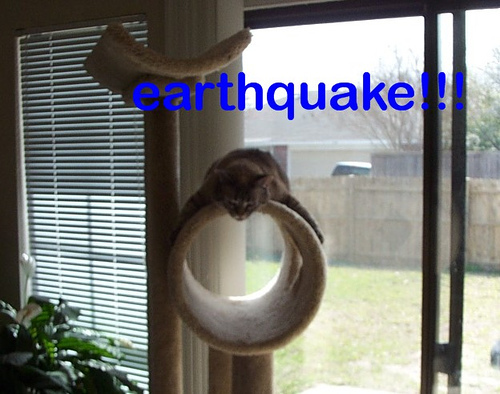
2. Animals can predict earthquakes.

Flickr/CopperCatStudiosAnecdotal evidence of animals being able to predict earthquakes has been popping up since Ancient Greece. Scientists aren’t entirely certain what’s going on, but many believe animals arecapable of detecting small tremors that precede earthquakes and that they can sense changes in the atmosphere and oxidization due to impending quakes.

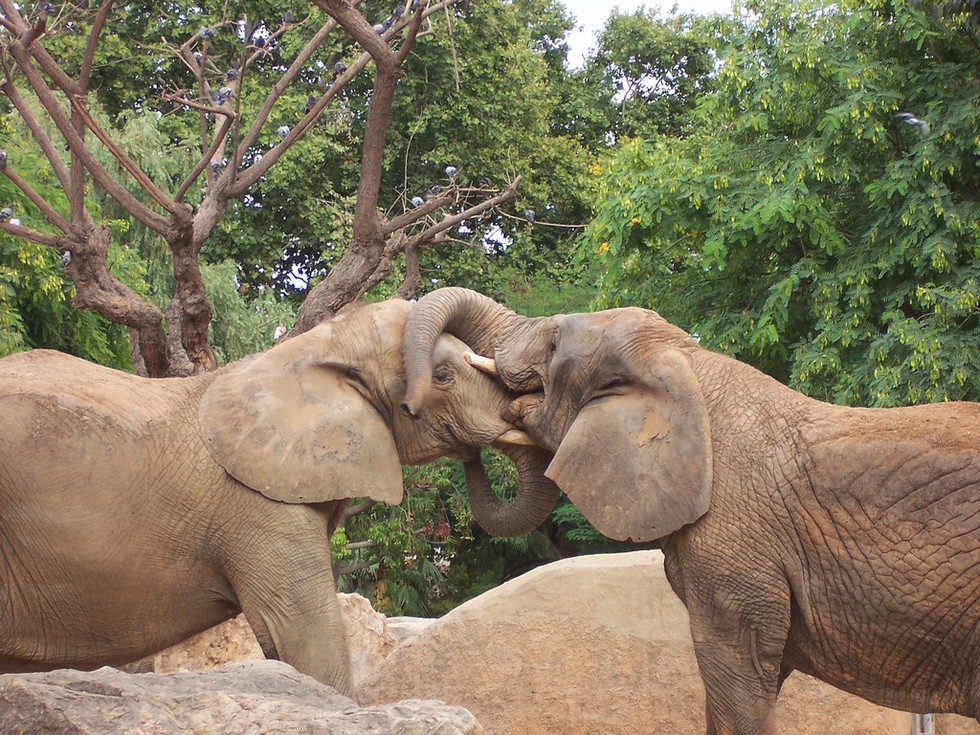
3. An elephant never forgets.

Flickr/InfollatusElephants have the biggest brains of any land mammal and they put them to good use. Studies have shown elephants never forget a face and go decades without seeing their friends and still remember them when reintroduced. Older elephants are also more likely to huddle in defensive positions when seeing a stranger than younger ones, because their vast memories teach them to remember the dangers of strange creatures.

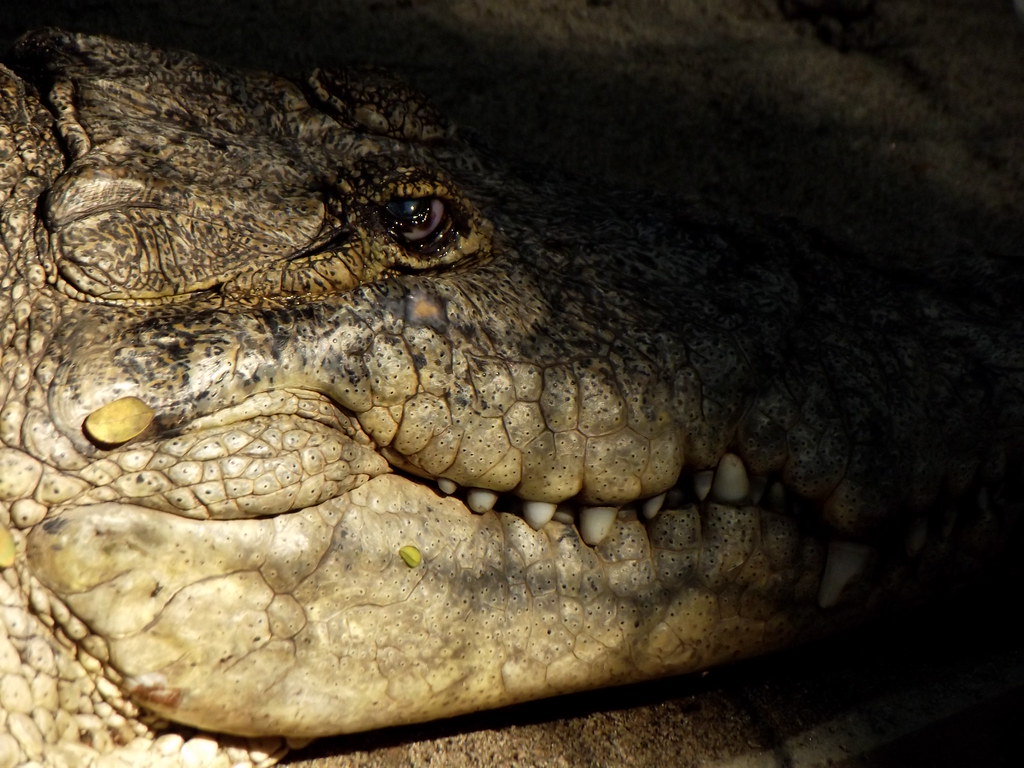
4. Crocodiles cry like babies.

Flickr/luisjromero

When someone pretends to feel remorse and they let loose a fake show of tears, we sometimes refer to these as crocodile tears. The term comes from the belief that crocodiles cry while eating their prey. Turns out it’s true! Researches believe it’s due to the jaw muscles squeezing moisture out of the lacrimal glands when chewing, or the result of too much hissing and huffing causing an overflow of fluid in the eyes.

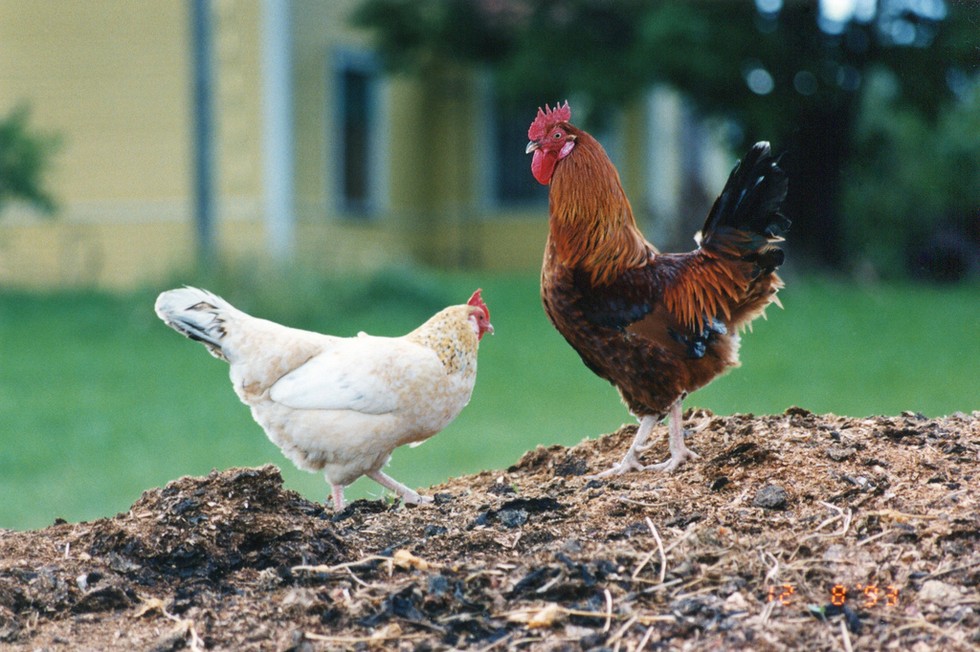
5. Chickens can change their sex.

Flickr/smerikalFemale chickens have only one functional ovary, on the left, and a nonfunctional gonad on the right. If the chicken develops a tumor or cyst, or other similar medical condition, the functional left ovary can regress and become dormant. In response, the right gonad is capable of becoming active and giving the hen a more rooster-like appearance. Functionally, though, the new rooster will only have phenotypically switched genders and won’t be able to produce offspring.

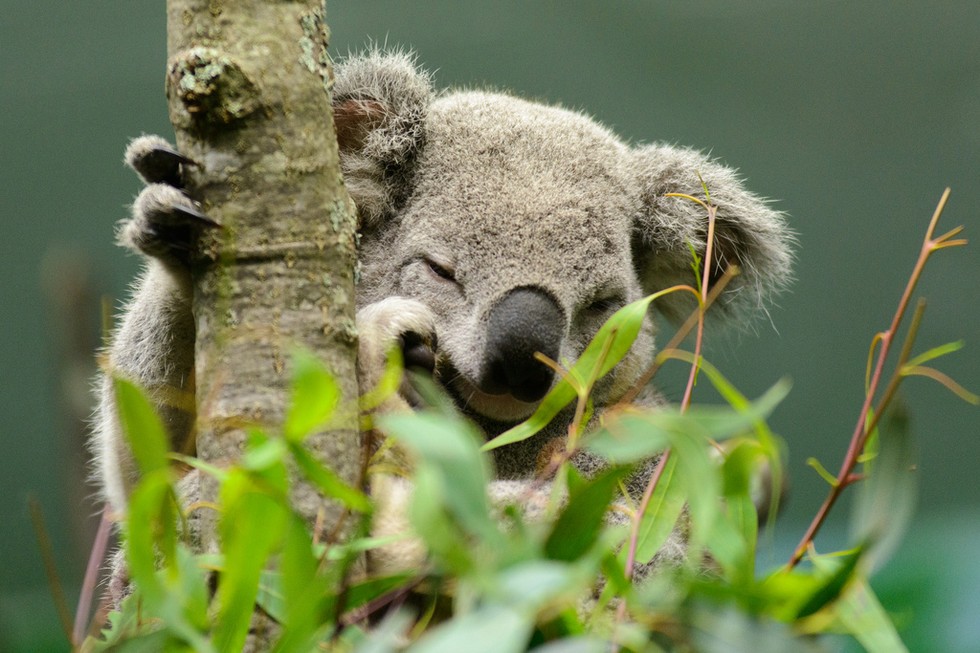
6. Koalas have human fingerprints.

Flickr/Eric KilbyIt might be more accurate to say their fingerprints are human-esque — so much so, in fact, that it’s nearly impossible to tell the difference! Marsupials and primates diverged on the evolutionary path 70 million years ago, so scientists are baffled as to why we share these markings, but they’ve mostly chalked it up to a koala’s ability to grasp things like we do. However it happened, it’s sure to make an excellent plot for a future episode of “CSI.”

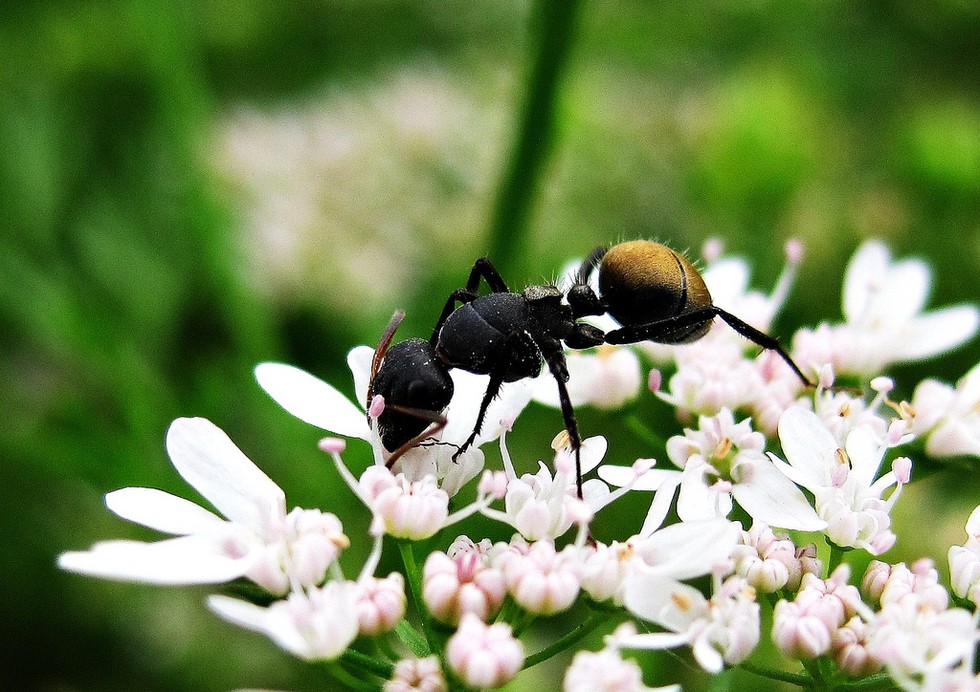
7. Zombie ants exist.

Flickr/KumaravelDon’t worry, they’re not after our brains. “Zombie” ants are actually ants infected with a particular type of fungus that takes over the nervous system. The fungus forces the ant’s body to find a cool, moist place for it to reproduce and spread, completely controlling the actions of the “zombified” ant and eventually killing it, most often, oddly, right at high noon.

Leave a comment

Filed under Animals, Humor and Observations

Dinosaur Feathers Discovered in Canadian Amber

Dinosaur Feathers Discovered in Canadian Amber

Today a group of paleontologists announced the results of an extensive study of several well-preserved dinosaur feathers encased in amber. Their work, which included samples from many stages in the evolution of feathers, bolstered the findings of other scientists who’ve suggested that dinosaurs (winged and otherwise) had multicolored and transparent feathers of the sort you might see on birds today. The researchers also presented evidence, based on the feathers’ pigmentation and structures, that today’s bird feathers could have evolved from dinosaur feathers.

We’ve got a gallery of these intriguing feathers preserved in amber.

In a profile of lead researcher Ryan McKellar, The Atlantic‘s Hans Villarica writes:

These specimens represent distinct stages of feather evolution, from early-stage, single filament protofeathers to much more complex structures associated with modern diving birds . . . They can’t determine which feathers belonged to birds or dinosaurs yet, but they did observe filament structures that are similar to those seen in other non-avian dinosaur fossils.

Villarica also did io9 readers a favor and asked McKellar whether this discovery could lead to aJurassic Park scenario. McKellar said:

Put simply, no. The specimens that we examined are extremely small and would not be expected to contain any DNA material. To put this into context, the only genetic material that has been recovered from amber is from lumps of mummified insect muscle tissue in much younger Dominican amber that are approximately 17 million years old and well after the age of dinosaurs.

So much for our dreams of dino domination.

What you’ll notice in the gallery below is that the researchers are emphasizing two basic pieces of evidence: the similarity in coloration to today’s bird feathers, and the similarity in morphology or shape. Some of these feathers strongly resemble those of diving water birds today (and the researchers include one example of a modern diving bird feather so you can compare them). Other structures, however, look nothing like feathers of today. In a news report about McKellar’s findings in Science, Sid Perkins writes:

In one instance, the amber holds regularly spaced, hollow filaments, each of which is about 16 micrometers in diameter, about the size of the finest human hair. The filaments apparently have no cell walls, so they’re not plant fibers or fungal threads, McKellar says. And they don’t have features that look like small scales, as mammal hair does. “We don’t absolutely know what they are, but we’re pretty sure what they’re not,” he notes. They could be protofeathers, McKellar says.

Often this kind of structure is called “dinofuzz.”

Check out the feathers and the fuzz for yourself. All captions are taken from materials provided by the researchers in their paper, published today in Science.

Dinosaur Feathers Discovered in Canadian Amber

An isolated barb from a vaned feather, trapped within a tangled mass of spider’s web in Late Cretaceous Canadian amber. Pigment distribution within this feather fragment suggests that the barb may have been gray or black. Image via Science/AAAS

Dinosaur Feathers Discovered in Canadian Amber

Numerous individual filaments in Late Cretaceous Canadian amber. These filaments are morphologically similar to the protofeathers that have been found as compression fossils associated with some dinosaur skeletons. Pigment distributions within these filaments range from translucent (unpigmented) to near-black (heavily pigmented). Image via Science/AAAS

Dinosaur Feathers Discovered in Canadian Amber

Cross-section through a feather with basally-coiled barbules, accompanied by a microphysid plant bug. The helical coiling observed within these barbules is most obvious in isolated barbules within the image, and is directly comparable to coils found in modern bird feathers specialized for water uptake. The high number of coils in the amber-entombed feather is suggestive of diving behavior, but similar structures are also used by some modern birds to transport water to the nest. Image via Science/AAAS

Dinosaur Feathers Discovered in Canadian Amber

Series of six feather barbs in Late Cretaceous Canadian amber. Localized pigmentation creates a beaded appearance within each barbule: This has implications for the structural interpretation of fossil feathers exhibiting this general morphology. Pigment distribution within the specimen suggests that the feather would have originally been medium- or dark-brown in color. Image via Science/AAAS

Dinosaur Feathers Discovered in Canadian Amber

Photomicrograph of coiled barbules in Late Cretaceous Canadian amber. The cork-screw shaped structures in the image are the tightly coiled bases of feather barbules, and these are interrupted towards the bottom of the image, where they exit the amber piece. Image via Science/AAAS

Dinosaur Feathers Discovered in Canadian Amber

An isolated barb from a white belly feather of a modern grebe bird (Aechmophorus occidentalis), illustrating coiled barbule bases comparable to those in the Cretaceous specimen. In both cases, the coiling is a structural adaptation that allows the feather to absorb water.Image via Science/AAAS

Dinosaur Feathers Discovered in Canadian Amber

A feather barb within Late Cretaceous Canadian amber that shows some indication of original coloration. The oblong brown masses within the dark-field photomicrograph are concentrated regions of pigmentation within the barbules. In this specimen, the overall feather color appears to have been medium- or dark-brown. Image via Science/AAAS

Dinosaur Feathers Discovered in Canadian Amber

Overview of 16 clumped feather barbs in Canadian Late Cretaceous amber. Image via Science/AAAS

Dinosaur Feathers Discovered in Canadian Amber

Overview of six pigmented feather barbs in Canadian Late Cretaceous amber. Image via Science/AAAS

Dinosaur Feathers Discovered in Canadian Amber

Overview of isolated, unpigmented feather barb and a mite in Canadian Late Cretaceous amber.Image via Science/AAAS

Leave a comment

Filed under Humor and Observations

Origins of human alcohol consumption revealed

alcohol1.jpg

File photo (GERMANY-BEER/ REUTERS/Michael Dalder)

Human ancestors may have begun evolving the knack for consuming alcohol about 10 million years ago, long before modern humans began brewing booze, researchers say.

The ability to break down alcohol likely helped human ancestors make the most out of rotting, fermented fruit that fell onto the forest floor, the researchers said. Therefore, knowing when this ability developed could help researchers figure out when these human ancestors began moving to life on the ground, as opposed to mostly in trees, as earlier human ancestors had lived.

“A lot of aspects about the modern human condition everything from back pain to ingesting too much salt, sugar and fat goes back to our evolutionary history,” said lead study author Matthew Carrigan, a paleogeneticist at Santa Fe College in Gainesville, Florida. “We wanted to understand more about the modern human condition with regards to ethanol,” he said, referring to the kind of alcohol found in rotting fruit and that’s also used in liquor and fuel.

To learn more about how human ancestors evolved the ability to break down alcohol, scientists focused on the genes that code for a group of digestive enzymes called the ADH4 family. ADH4 enzymes are found in the stomach, throat and tongue of primates, and are the first alcohol-metabolizing enzymes to encounter ethanol after it is imbibed.

The researchers investigated the ADH4 genes from 28 different mammals, including 17 primates. They collected the sequences of these genes from either genetic databanks or well-preserved tissue samples. [Holiday Drinking: How 8 Common Medications Interact with Alcohol]

The scientists looked at the family trees of these 28 species, to investigate how closely related they were and find out when their ancestors diverged. In total, they explored nearly 70 million years of primate evolution. The scientists then used this knowledge to investigate how the ADH4 genes evolved over time and what the ADH4 genes of their ancestors might have been like.

Then, Carrigan and his colleagues took the genes for ADH4 from these 28 species, as well as the ancestral genes they modeled, and plugged them into bacteria, which read the genes and manufactured the ADH4 enzymes. Next, they tested how well those enzymes broke down ethanol and other alcohols.

This method of using bacteria to read ancestral genes is “a new way to observe changes that happened a long time ago that didn’t fossilize into bones,” Carrigan said.

The results suggested there was a single genetic mutation 10 million years ago that endowed human ancestors with an enhanced ability to break down ethanol. “I remember seeing this huge difference in effects with this mutation and being really surprised,” Carrigan said.

The scientists noted that the timing of this mutation coincided with a shift to a terrestrial lifestyle. The ability to consume ethanol may have helped human ancestors dine on rotting, fermenting fruit that fell on the forest floor when other food was scarce.

“I suspect ethanol was a second-choice item,” Carrigan said. “If the ancestors of humans, chimps and gorillas had a choice between rotten and normal fruit, they would go for the normal fruit. Just because they were adapted to be able to ingest it doesn’t mean ethanol was their first choice, nor that they were perfectly adapted to metabolize it. They might have benefited from small quantities, but not to excessive consumption.”

In people today, drinking in moderation can have benefits, but drinking in excess can definitely cause health problems, experts agree. Scientists have suggested that problems people have with drinking, such as heart disease, liver disease, and mental health problems, result because humans have not evolved genes to sufficiently process ethanol. Similarly, humans have not evolved genes to handle large amounts of sugar, fat and salt, which, in turn, have given way to obesity, diabetes, high blood pressure and many other health problems.

One model for the evolution of alcohol consumption suggests that ethanol only entered the human diet after people began to store extra food, potentially after the advent of agriculture, and that humans subsequently developed ways to intentionally direct the fermentation of food about 9,000 years ago. Therefore, the theory goes, alcoholism as a disease resulted because the human genome has not had enough time to fully adapt to alcohol.

Another model suggests that human ancestors began consuming alcohol as early as 80 million years ago, when early primates occasionally ate rotting fermented fruit rich in ethanol. This model suggests that the attraction to alcohol started becoming a problem once modern humans began intentionally fermenting food because it generated far more ethanol than was normally found in nature. The new findings support this model.

In the future, Carrigan and his colleagues want to investigate what the ethanol content of fallen fruit might be, and find out whether apes, such as chimpanzees or gorillas, are willing to consume fermented fruit with varying levels of ethanol.

“We also want to look at other enzymes involved in alcohol metabolism, to see if they’re co-evolving with ADH4 at the same time,” Carrigan said.

The scientists detailed their findings online Dec. 1 in the journal Proceedings of the National Academy of Sciences.

Leave a comment

Filed under Uncategorized

Cute Dogs for Your Monday Blues

Cute dogs to cheer up the beginning of your week…

Leave a comment

Filed under Animals, Humor and Observations

Vehicles – If you could choose only one…

If you could have any of the vehicles below, which one you choose?

Leave a comment

Filed under Humor and Observations

Ten real life legendary weapons…

Leave a comment

Filed under Uncategorized

Cosplay Pictures for Your Weekend

Cosplay and cosplayers for your viewing enjoyment!

Leave a comment

Filed under Uncategorized

Navy tests flying/undersea drone

FlyingWANDA.jpg

 (Naval Research Laboratory)

The U.S. Navy is working on a submarine-fighting drone that can operate both in the air and underwater.

The Flimmer (Flying Swimmer) is the brainchild of the Naval Research Laboratory. The drone, it says, can reach operational areas more quickly by flying over the surface of the water.

After successfully examining the performance of a “Test Sub” that combined a traditional submarine shape with a traditional aircraft shape, scientists  applied their findings to a flying version of the  NRL’s WANDA (Wrasse-inspired Agile Near-shore Deformable-fin Automaton ) drone.

According to the NRL’s Spectra magazine,  “Flying WANDA” has four fins and a wing, with the two aft fins mounted on the tips of the wing. Test flights confirmed Flying WANDA’s stability and control, and scientists have started testing the most effective “landing mode,” or splashdown, to protect the fin mechanisms.

“Experimentation with the Flying WANDA configuration continues,” wrote Dan Edwards of the NRL’s Electronic Warfare Division, who is leading the Flimmer project. “Future flights will explore the performance envelope using the fins as active control surfaces in the air and will continue the landing work.”

1 Comment

Filed under Humor and Observations

Aliens are likely huge, says scientist

Aliens are likely huge, says scientist

This video game publicity image released by 2K Games shows extraterrestrial invaders in “XCOM: Enemy Unknown.” (AP Photo/2K Games, File)

If you’re traveling to distant planets anytime soon, you might think twice about raising a ruckus: The inhabitants likely weigh an average of 650 pounds, a cosmologist says.

Apparently it all comes down to planet size and the conservation of energy,CNET reports. “Throughout the animal kingdom, species which are physically larger invariably possess a lower population density, possibly due to their enhanced energy demands,” says Fergus Simpson of the University of Barcelona.

That’s quite true on Earth, where we have seven billion (relatively big) people, and, the BBC noted last year, up to 100 trillion (tiny) ants.

Which brings us to outer space, where, Simpson says, “most inhabited planets are likely to be closer in size to Mars than the Earth.” And “since population density is widely observed to decline with increasing body mass, we conclude that most intelligent species are expected to exceed 300kg (660lbs),” he adds.

A scientist in Scotland says Simpson’s “average size calculation is reasonable,” but doesn’t account for gravitational pull—and planets with stronger gravity would probably have smaller animals, Newsweek reports.

SETI Institute researcher Seth Shostak says Simpson’s paper, published at arXiv.org, also leaves out evolutionary theory: With humans, for example, it’s our ability to walk upright and use opposable thumbs that gave us the upper hand on Earth.

“Polar bears are large but do not write great literature and build radio towers,” he says, “and a lot of that is probably because they are walking around on all fours.” (See which moon is the top contender for life outside Earth.)

This article originally appeared on Newser: Scientist: Aliens Are Likely Huge

Leave a comment

Filed under Humor and Observations