Monthly Archives: November 2012

George Lucas, You Just Made $4 Billion, What Will You Do Now?

George Lucas just sold the rights to Star Wars to Disney along with Lucasfilm, Inc., for $4.05 Billion!  So what would you do, now unfettered from all financial worries, 68 years old, $4 billion bucks wearing a hole in your pocket?

That’s right!  Get up each morning, go to Starbucks and KNIT!  Er, what?  I know the joke “knit-wit” is too obvious…  I can think of 4 billion things to do BEFORE I would turn to knitting in public, but to each their own.  I have a bad feeling about this…


4 Comments

Filed under Humor and Observations, Uncategorized

Writing Can Change Your Perception

So, as most of you know I usually write adventure, steampunk, science fiction, science fact and humor.  Recently, I have penned a few short stories to submit to our upcoming horror anthology.  (yes, my stories are tossed in the bin anonymously too, they have to get voted in).  Writing horror does not come naturally to me, so it has been a challenge for me to get into that dark place.  Now, I know I have been successful…

Case in point, picking up food at Costco today for visitors over the holiday.  I see a young man of around thirty, loading big boxes of Clorox Bleach onto a cart that has like twenty industrial sized rolls of Paper towels.  The only other thing in the cart is a few snacks.  My first thought – “That man is going to kill someone today, and is buying paper towels and bleach to clean up the crime scene!”  Seriously, that is what popped into my head in the Costco aisle today.

Last night and today I am working on my upcoming novel Blood Bank – a post-apocalyptic vampire novel.  I wonder if I will start noticing pale people or looking at necks for bite marks.

2 Comments

Filed under Humor and Observations, Writing

Lightsaber Crossovers

Crossovers or mash-ups are where you take one show, movie, theme, book, etc, and mix it up with another one.  From time to time I post Crossovers.  If you search “crossover” at the home page you can find others.  The Van Gogh Starry Night Crossover post was very popular.  So, without further adieu, lightsaber crossovers:

1 Comment

Filed under Humor and Observations, Uncategorized

Ford’s new engine is so small it fits in carry-on luggage

Ford’s new engine is so small it fits in carry-on luggage

Published November 19, 2012

FoxNews.com

  • carryonengine1.jpg
    Ford
  • carryonengine2.jpg
    Ford
  • carryonengine3.jpg

Sprit Airlines would have a field day with this.

Ford’s new 3-cylinder engine is so small it can fit into a piece of carry-on luggage.

At least its aluminum block is.

A team from Ford brought the heart of the smallest engine it makes to the security checkpoint at Detroit Metro airport in a roll-on bag, put it in a tray and ran it through the X-ray machine to demonstrate just how tidy it is.

Over the summer, the efficient powerplant was named International Engine of the Year. The 1.-liter turbocharged Ecoboost 3-cylinder is currently on sale in several vehicles it sells in Europe and will be coming to a U.S. market car next year, likely in an updated version of the Ford Fiesta compact. The 125 hp engine promises a combination of 4-cylinder power with 3-cylinder fuel efficiency. The only other 3-banger on sale in the United States is found in the Smart Fortwo, which features a 70 hp 1.0-liter motor.

Of course, you probably shouldn’t try this at home, or the airport. Ford set up the stunt ahead of time with the TSA, which doesn’t normally allow photographs to be taken in the security line, and didn’t actually bring it onto a plane.

That might be for the better as most airlines, including Detroit’s hometown favorite Delta, have weight limits for carry-on luggage that max out at 40 pounds while the engine block weighs about 52 pounds.

Besides, would you really want to try and get that into the overhead bin?

Read more: http://www.foxnews.com/leisure/2012/11/19/ford-new-engine-so-small-it-fits-in-carry-on-luggage/?intcmp=features#ixzz2CjFjmDbH

Leave a comment

Filed under Humor and Observations, Uncategorized

Cute Dogs for Your Monday Blues

More cute dogs for Monday:

2 Comments

Filed under Animals

More Strange Book Covers

I think this is my third installment of strange book covers.  If you want to find the others, go to the my home page and search “book covers” or “book titles”.  Enjoy:

143 Comments

Filed under Humor and Observations, Writing

Spartacus family gold found?

Spartacus family gold found?  Spartacus was a famous Thracian warrior defeated by the Romans and captured.  Then he was sold into slavery and purchased as trainee gladiator.  He became famous and led one of the most successful gladiator and slave revolts in Roman history.  Yes, the movies and the Cinemax series are based on a true story.  Thrace was a powerful nation that had existed from around 4,000 B.C. to 700 A.D. or nearly 5,000 years!  A recent discovery of golden treasures from Thrace are from near the period when Spartacus lived.  Wouldn’t it be cool if somehow Spartacus or his family once owned these?  History is just too exciting!

Bulgarian archaeologists discover 2,400-year-old golden treasure

Published November 08, 2012

Associated Press

  • Bulgaria Archaeology_Bake.jpg

    Nov 8, 2012: Archaeologist shows an artifact, part of 2,400-year old golden hoard found in an ancient Thracian tomb in northern Bulgarian village of Sveshtari, some 250 miles northeast of Sofia. (AP)

SOFIA, Bulgaria –  Archaeologists say they have unearthed an almost 2,400-year-old golden hoard in an ancient Thracian tomb in northern Bulgaria.

The treasure was found on Thursday near the village of Sveshtari, 400 kilometers (250 miles) northeast of Sofia, team leader Diana Gergova said.

She said that among the artifacts, dating back to the end of the fourth or the beginning of the third century B.C., were gold jewelry and applications for horse trappings, a tiara with reliefs of lions and fantasy animals, as well as four bracelets and a ring.

The Thracians lived in what is now Bulgaria, and parts of modern Greece, Romania, Macedonia, and Turkey between 4,000 B.C. and the 7th century A.D., when they were assimilated by the invading Slavs.

reposted

Read more: http://www.foxnews.com/science/2012/11/08/bulgarian-archaeologists-discover-2400-year-old-golden-treasure/#ixzz2Cc4A0HTK

2 Comments

Filed under Humor and Observations

Biblical City, 5,000 years old, Caught in Syrian Civil War

reposted.

Karkemish, Ancient City On Syria-Turkey Border, Excavated Amid Civil War

By CHRISTOPHER TORCHIA 11/08/12

Karkemish Syria Turkey

In this 1913 file photo, a young T.E. Lawrence (of Arabia), left, and C.L. Woolley pictured in front of the Long Wall of Sculpture at Karkemish in Gaziantep province, Turkey. (AP Photo/Courtesy of the Trustees of the Liddell Hart Centre for Military Archives, File)

ISTANBUL — Few archaeological sites seem as entwined with conflict, ancient and modern, as the city of Karkemish.

The scene of a battle mentioned in the Bible, it lies smack on the border between Turkey and Syria, where civil war rages today. Twenty-first century Turkish sentries occupy an acropolis dating back more than 5,000 years, and the ruins were recently demined. Visible from crumbling, earthen ramparts, a Syrian rebel flag flies in a town that regime forces fled just months ago.

A Turkish-Italian team is conducting the most extensive excavations there in nearly a century, building on the work of British Museum teams that included T.E. Lawrence, the adventurer known as Lawrence of Arabia. The plan is to open the site along the Euphrates river to tourists in late 2014.

The strategic city, its importance long known to scholars because of references in ancient texts, was under the sway of Hittites and other imperial rulers and independent kings. However, archaeological investigation there was halted by World War I, and then by hostilities between Turkish nationalists and French colonizers from Syria who built machine gun nests in its ramparts. Part of the frontier was mined in the 1950s, and in later years, creating deadly obstacles to archaeological inquiry at a site symbolic of modern strife and intrigue.

“All this is very powerfully represented by Karkemish,” said Nicolo’ Marchetti, a professor of archaeology and art history of the Ancient Near East at the University of Bologna. He is the project director at Karkemish, where the Turkish military let archaeologists resume work last year for the first time since its troops occupied the site about 90 years ago.

At around the same time, the Syrian uprising against President Bashar Assad was escalating. More than 100,000 Syrian refugees are sheltering in Turkish camps, and cross-border shelling last month sharpened tension between Syria and Turkey, which backs the rebellion along with its Western and Arab allies. Nuh Kocaslan, mayor of the nearby Turkish town of Karkamis, said he hoped the Syrian war would end “as soon as possible so that our region can find calm,” and that the area urgently needs revenue from tourists, barred for now from Karkemish because it is designated a military zone.

Archaeologists say they felt secure during a 10-week season of excavation on the Turkish side of Karkemish that ended in late October. One big eruption of gunfire from the Syrian side turned out to be part of a wedding celebration. The team arrived in August, one month after Syrian insurgents ousted troops from the Syrian border town of Jarablous. A Syrian government airstrike near Jarablous killed at least eight people that same month.

About one-third of the 90-hectare (222-acre) archaeological site lies inside Syria and is therefore off-limits; construction and farming in Jarablous have encroached on what was the outer edge of the ancient city. Most discoveries have been made on what is now Turkish territory.

When a British team began work in 1911, the undivided area was part of the weakening Ottoman Empire. Germans nearby were constructing the Berlin-Baghdad railway, which traverses the ancient site along the border. Archaeologist C.L. Woolley and his assistant, Lawrence, found basalt and limestone slabs carved with soldiers, chariots, animals and kings; many are displayed today in the Museum of Anatolian Civilizations in Ankara, the Turkish capital. The remains of palaces and temples were also uncovered.

A 1913 photograph shows Woolley and Lawrence at Karkemish. They appear to squint in harsh sunlight. Lawrence’s hands rest, partly clenched, over his bare knees. He wears Western dress.

Lawrence wrote letters about making casts of Hittite inscriptions, mending pottery, photographing items, settling “blood feuds” among workers on the dig, a foray into gun-running in Beirut, and a sense of wonder on a visit to nearby Aleppo, today the scene of fierce battles in Syria’s civil war.

Lion carving from site in Turkish Museum

“Aleppo is all compact of colour, and sense of line: you inhale Orient in lungloads, and glut your appetite with silks and dyed fantasies of clothes,” he wrote. “Today there came in through the busiest vault in the bazaar a long caravan of 100 mules of Baghdad, marching in line rhythmically to the boom of two huge iron bells swinging under the belly of the foremost.”

Lawrence later acquired fame for his role in an Arab revolt against the Ottomans, who allied with the Germans during World War I. Photographs of Lawrence in Arab garb, his later writing, and eventually the cinema epic “Lawrence of Arabia” elevated his legend.

The Bible’s Jeremiah refers to Karkemish for a battle there in which the Babylonians, led by Nebuchadnezzar II, defeated the Assyrians and their Egyptian allies. Invading forces sacked the city on several other occasions. Irene Winter, an archaeologist who visited Karkemish in 1974 and recently retired from Harvard University, said the place was significant as a “hub of all east-west traffic” and “a powerful, crucial juncture in the topography of movement and trade and military activity.”

In the ruins of the excavation house of its British predecessors, the Turkish-Italian team discovered old archaeological tools, statue fragments and a Roman mosaic. Elsewhere, they found a bronze cylinder seal inscribed with hieroglyphs that belonged to a town official and a bronze statuette of a god with a double-horned tiara and a skirt, along with a silver dagger set into the left hand.

“You do feel a connection with what has been written, with what has been found and, of course, with the people who were here,” said Marchetti, whose team used a laser scanner to create digital models of artifacts. It got a more complete picture with satellite imagery as well as aerial photos taken from a kite.

The British only excavated a small area of Karkemish, and the Turkish military occupation shielded the site from smugglers, suggesting its archaeological potential remains vast. Despite the many finds, there are gaps in the understanding of the city’s chronology.

Philologist Hasan Peker of Istanbul University, deputy director of the project, said he hoped to find the city’s “royal archives” dating from the height of the Hittite empire more than 3,000 years ago. The team has asked the Turkish military for access to the acropolis, where a watch tower stands.

A demining agency from Azerbaijan helped Turkey to remove anti-tank and anti-personnel mines around Karkemish under a program to rid the nation’s borders of minefields, mostly near Syria. There remains a statistical risk of mine blasts, however remote. The new team, which includes university students, sticks to approved paths. Plans for tourist facilities include paths with rails on both sides to ensure the safety of visitors.

In 2009 and 2010, professor Tony Wilkinson, an archaeologist at Durham University in Britain, participated in a survey of the Syrian side of Karkemish. He could not return in 2011 because of the uprising. As late as May this year, Wilkinson said, Syrian colleagues from the archaeological museum in Aleppo reported that they were checking the Karkemish site.

Since then, fierce fighting has swept Aleppo. Contact has faded. Last month, Wilkinson received a nighttime telephone call from Syria.

“It didn’t get through. They tried to call me and I tried to call back,” he said. “Communications with Syria are very, very difficult.”

___

Suzan Fraser contributed from Ankara, Turkey.

The City Of Karkemish

Leave a comment

Filed under Humor and Observations, Uncategorized

Ammunition for Hunting Monsters

So, you have a monster infestation on your hands?  Can’t let the buggers multiply and get out of hand.  What starts as a few werewolves, zombies or vampires, if left unchecked, can result in an apocalypse.  Remember, you often need to double tap the head or chest of the swarmy varmints to make sure they are truly down for good.  What is the discerning adventurer to do?  Why, arm yourself and use the following handy ammunition stockpiles:
 

2 Comments

Filed under Humor and Observations, Uncategorized

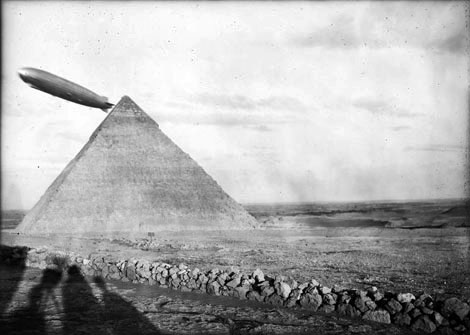
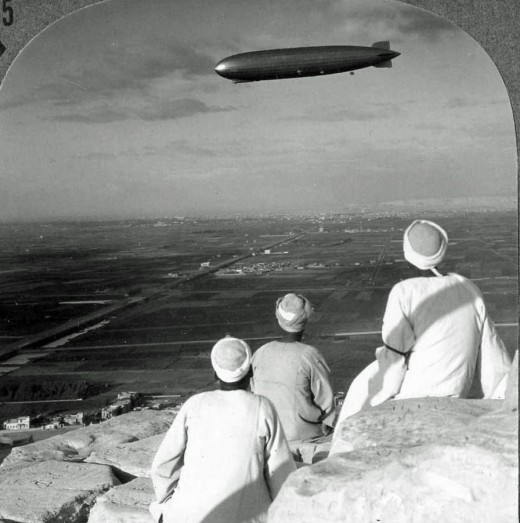
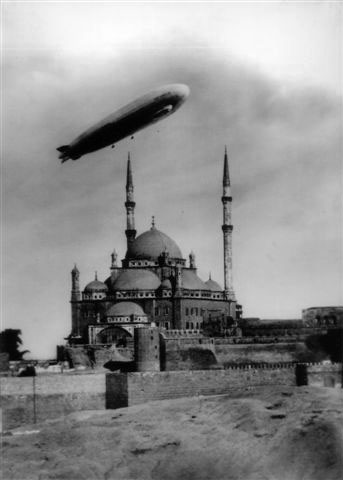
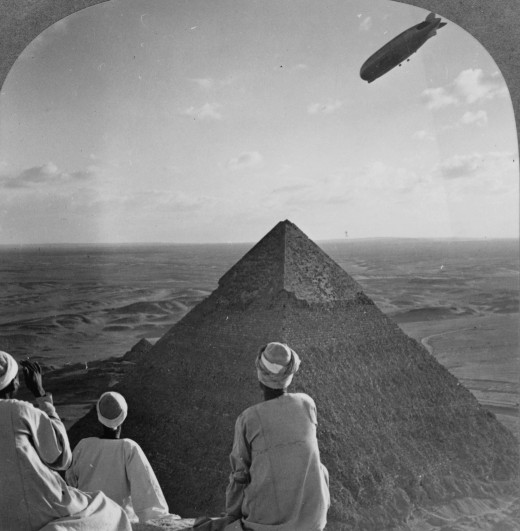
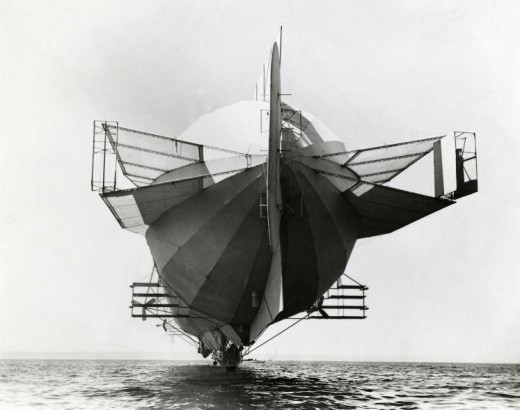
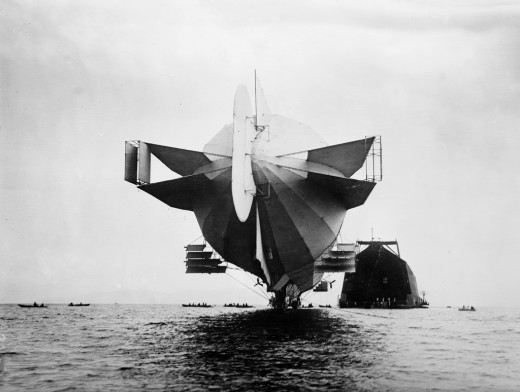
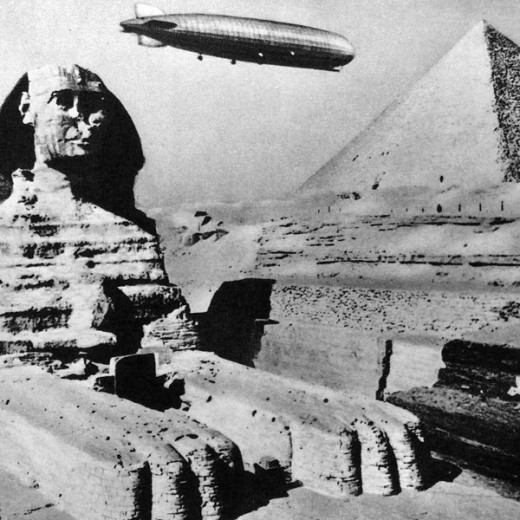
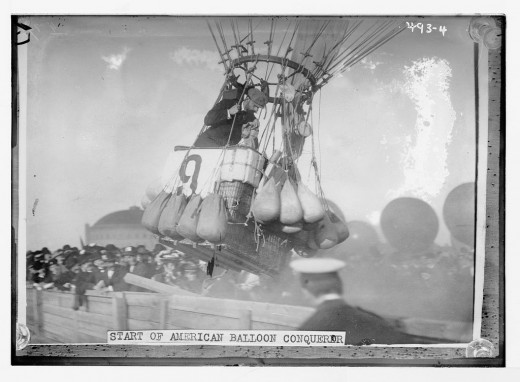
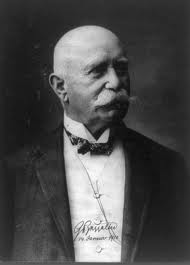
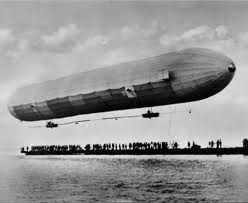
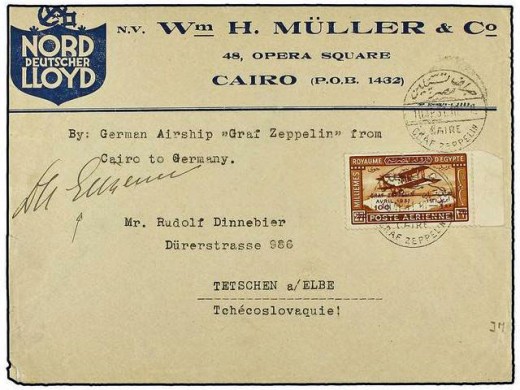
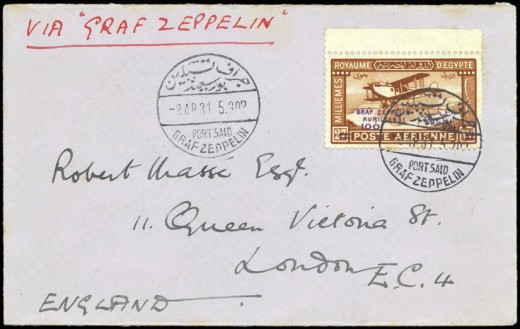
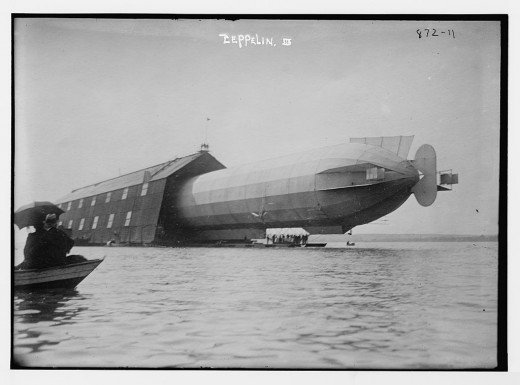
Actual Zeppelin Photos

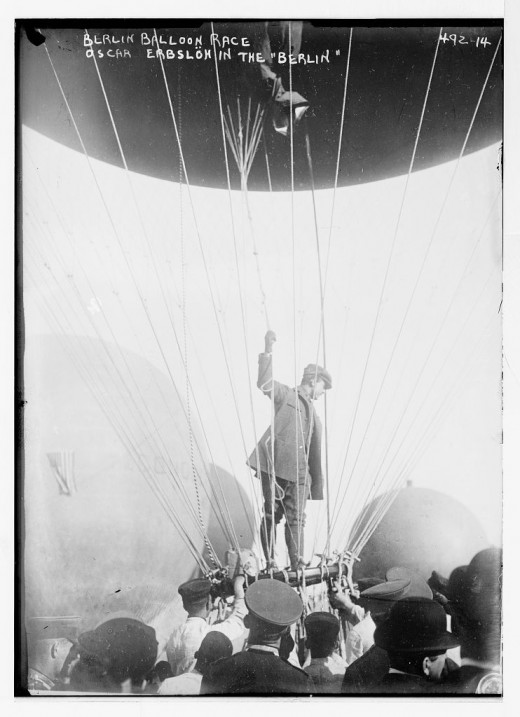
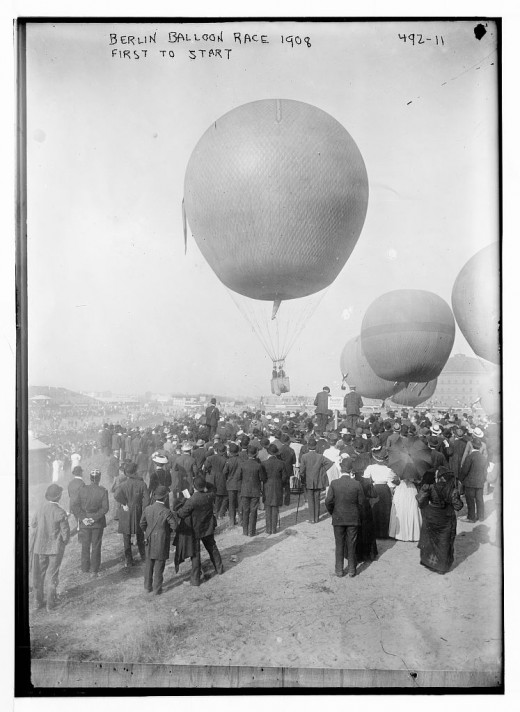
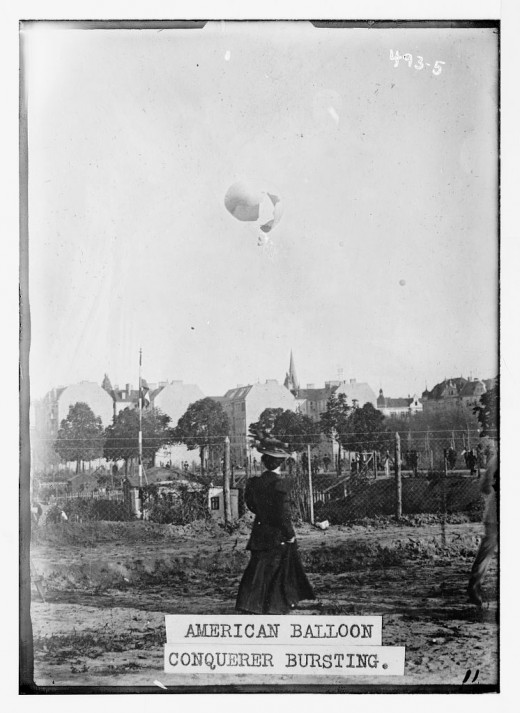
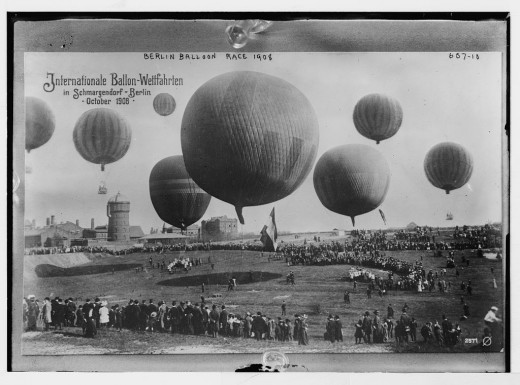
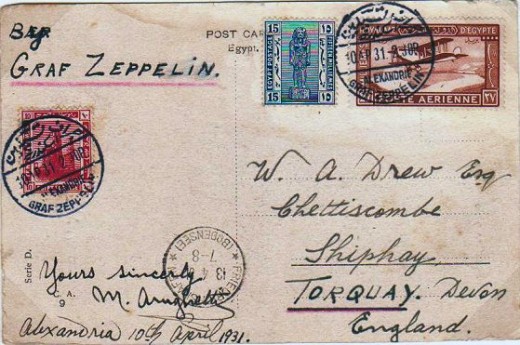
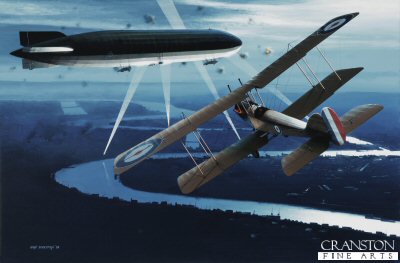
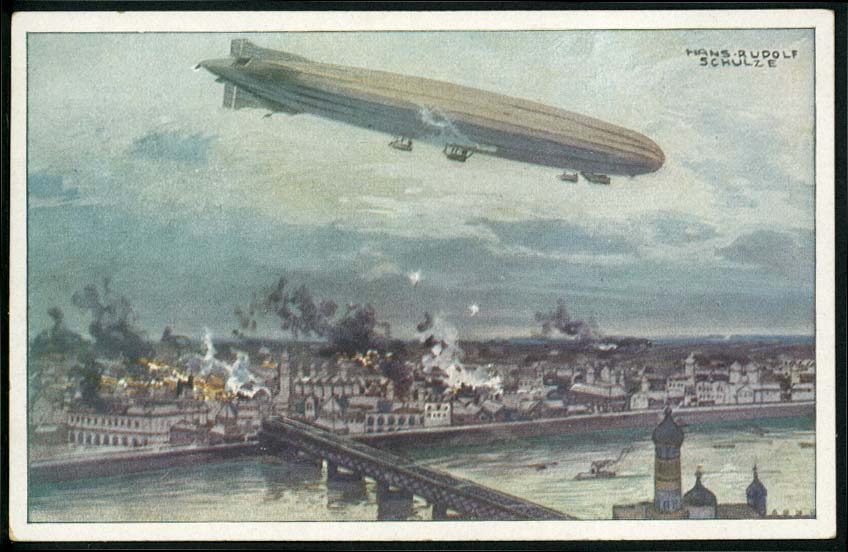
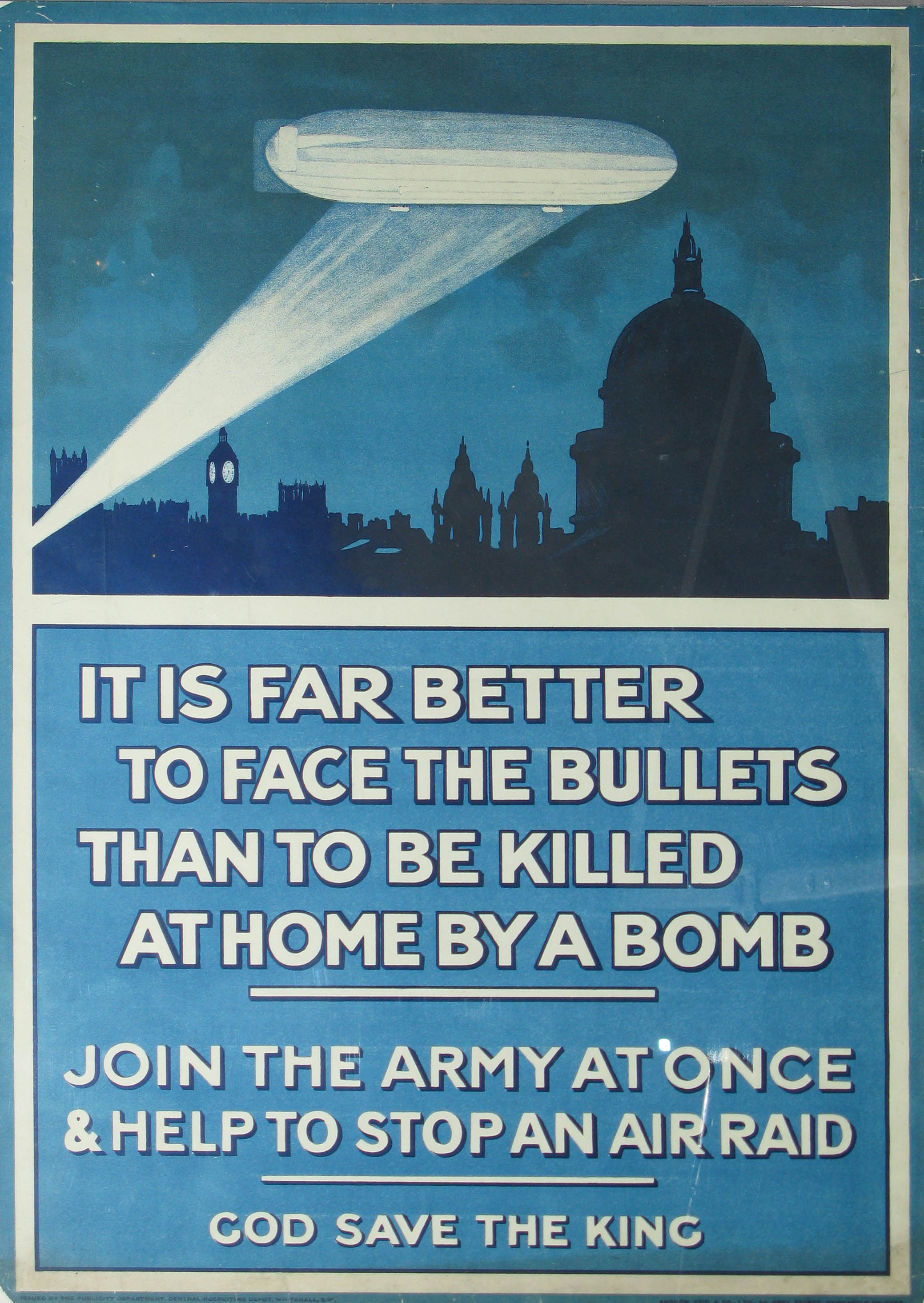
Zeppelin photos over Egypt and other places.  Also, some balloon pics and mail delivered by Zeppelin service.  Very Indiana Jones or Steampunk-esque and yet all of these are real photos. The last three are wartime posters.  Most of the others are from 1908.

2 Comments

Filed under Humor and Observations, Uncategorized